Expert Tips for Choosing the Better Side of Life

Everyone has the power to choose to focus on the positive, better side of life, but often that can only be accomplished through partaking in a healing journey.
Every day, life presents us with countless opportunities to focus on what is broken… or what is possible.
While we cannot always control what happens to us, we can learn to shape how we respond. The ability to choose the better side of life is one of the greatest gifts we possess – and one that leads to contentment and fulfillment.
Choosing the better side is often part of a healing journey, one that involves aligning your actions, mindset, and values with what brings you fulfillment, peace, and a sense of purpose.
We have the power to choose whether we focus on the light or the dark. For example, look at this duality:
Cry has 3 letters, but so does joy.
Hate has 4 letters, but so does love.
Hurt has 4 letters, but so does heal.
Pain has 4 letters, but so does rest.
Death has 5 letters, but so does alive.
Lying has 5 letters, but so does truth.
Wrong has 5 letters, but so does right.
Cancer has 6 letters, but so does living.
Anxiety has 7 letters, but so does relaxed.
Enemies has 7 letters, but so does friends.
Distress has 8 letters, but so does serenity.
Negativity has 10 letters, but so does positivity.
While these contrasts are simple, they point to a deeper truth: life often presents us with choices about where we direct our attention and energy. Yet choosing the brighter and better path is not always easy, especially when we carry pain, grief, trauma, or disappointment from the past.
When we focus on the positive – when we can focus on the positive – it is not only life-enhancing for ourselves; that positivity impacts the lives of everyone around us.
But this is not just positive psychology; we can all make choosing the “better” side of life a reality by undertaking a healing journey. Healing allows us to release what no longer serves us, reclaim our energy, and create space for growth, joy, and purpose.
A healing journey is transformative because unhealed wounds (both known and unknown) shape our perception of the world. They can cause us to be triggered by certain people/place, expect rejection, focus on danger, or assume the worst about ourselves and others. Healing helps remove those negative filters. As we heal, we begin to see opportunities where we once saw obstacles, connection where we once saw isolation, and hope where we once saw despair.
A healing journey is a process, often a lifelong one, and It’s not about perfection; it’s about progress, self-awareness, and reclaiming our sense of self… It’s about growth and transformation.
A healing journey helps:
Uncover buried truths: Often, we suppress emotions, memories, or patterns that hold us back. Healing brings them to light so we can address them.
Addresses past harm: Many of us push past trauma wounds deep within us, but healing allows us to change our perspective, forgive, and release the trauma from our bodies and minds.
Break cycles: Whether it’s toxic relationships, self-sabotage, or limiting beliefs, healing helps us recognize and change these patterns.
Rebuild trust: In yourself, in others, and in the process of life. Healing teaches you that you deserve safety, love, peace, and respect.
Rediscover your strength: Trauma, grief, or even everyday stress can make you forget your resilience. Healing is the key to resilience because it reminds us of our capacity to overcome.
Choosing the Better Side Through a Healing Journey
One of the most powerful ways to cultivate a positive outlook is through healing unresolved wounds from the past. When we address what has been weighing us down, we create more space for peace, hope, and possibility. (Please note that if you experienced pain in your childhood, you may not even be aware of how those wounds are impacting you today.)
Here are some guidelines to follow as you consider starting on a healing journey:
1. Choose Your Healing Modalities. Here’s my categorization of healing modalities: nature, somatic, spirituality, psychedelics, breathwork, and nutrition. For me, nature became one of the most profound healing tools in my journey. Time spent outdoors provided perspective, peace, and moments of reflection that helped me reconnect with myself.
2. Acknowledge Your Pain, Grief, or Hurt. It is not only important, but necessary to admit that people or things have hurt, disappointed, or withheld love from you. Giving voice to your pain sets you on a path to be able to release it and move forward with your life.
3. Seek out Support. While the deepest healing happens within, as we move forward with healing and transforming our lives, we need supportive people lifting us on those days where the journey is hard. Take advantage of caring friends and family, but also consider having a coach or therapist be a guide for your journey. If you don’t have it, find/build a supportive community.
4. Practice Self-Compassion. Sometimes it's not just others who hurt us, as some of the harshest criticism of ourselves comes from within, when that negative voice tells us we are stupid, worthless, useless. Work on replacing those harsh words with kindness, even something as simple as telling yourself you look good today or that you deserve a good day.
5. Embrace Forgiveness. As you begin to heal, it’s time to release all the negative energy directed at yourself, at others, and at life. Forgiveness is not about excusing the harm done to you, but about releasing the anger and resentment that is slowly killing you from the inside. Start with forgiving yourself first; most of us have no control over the trauma that happened to us.
6. Reparent Your Inner Child. Experts and survivors both agree that trauma in childhood, which is extremely common, is some of the toughest to overcome. Often with childhood trauma, we become completely separated from our childhood. As adults, we can learn to reconnect with our inner child and help them understand that what happened to them was not their fault.
7. Reframe Your Story. It’s time to flip the script, time to change perspectives. First, you are no longer a victim, but a survivor; focus on this strength, courage, and resilience. Second, it’s about creating a vision of your healed and happy life.
8. Continue Integrating Life. Healing should never stop, partly because by examining our lives, we continue to learn new things, and partly because as we live our lives, we face new challenges, hurts, and disappointments that need integrating to keep us on the healed path.
See the resources section at the end of the article for more details on these subjects.
Guiding Principles to Reflect on Incorporating Better Side Thinking
As you heal, here are some additional guidelines to help foster better side thinking:
Live in Alignment With Your Values. Define the core values that represent the healed you, and live your life in accordance with them. Align your actions with your values and words.
Contribute to Something Bigger. Volunteering, mentoring, or even small acts of service build a sense of purpose and connection and bring joy and fulfillment. Seek out local opportunities to make a difference.
Focus on Gratitude. Acknowledging all the little moments of goodness helps develop a more positive mindset by releasing dopamine and serotonin, reducing stress, and restructuring neural pathways to filter out negative thoughts.
Practice Self-Care. Taking care of yourself – physically, mentally, and emotionally – should be a daily priority. This includes focusing on nutritious foods, movement and exercise, sleep hygiene, and reducing chronic stress.
Choose Optimism and Resilience. Set healthy boundaries with people, environments, and influences that consistently undermine your well-being; instead, seek out sources of inspiration. Remember too that perfection is the enemy of healing, so focus on your journey and your progress in healing.
Embrace Simplicity. Declutter your life by simplifying your physical space, schedule, and commitments to focus on what truly matters. You are allowed to say no to people and commitments that no longer suit you.
Live Mindfully. Spend more time in the now to experience the moment fully. Often, the “better side” of life is found in the present – not the past or future. Mindfulness also reshapes the brain, enhances attention, and strengthens the immune system.
Digital Dopamine Disconnects. Take breaks from technology to engage more deeply with the world around you and to train your brain to find rewards in nature, in reading, in being with your favorite people.
Ditch Comparisons. Social media has made this issue so much worse, but the moment we can downplay or ignore comparing our current lives with those around us, the happier we will be. Remember too that on social media, most people are only showing their best lives.
Final Thoughts on Choosing the Better Side and Healing
Choosing the better side of life is not about denying our reality or ignoring our suffering; it's about refusing to let pain define reality.
If you’re ready to begin or deepen your healing journey, consider:
What’s one area of your life where healing feels most urgent right now? (Such as negative feelings, self-worth, relationships, past trauma)
What’s one small step you can take this week for self-care and to nurture yourself? (Such as taking a walk in nature, enjoying a creative outlet, getting a massage, finding a coach/therapist)
Who in your life or what resource could support you? (Such as a good friend or family member, a therapist or coach, a book, a community)
Finally, please know that healing is not about becoming a different person. It is about returning to the person you were always meant to be beneath the hurt, fear, and self-doubt. Every small step toward healing creates more room for peace, joy, resilience, and purpose.
You do not have to heal everything at once; healing is a journey. Simply choose one small step today toward the better side of life… and trust that each step forward matters.
Additional Resources on Healing and a Healing Journey
Here are some additional articles and tools to help you with your healing journey and choosing the better side of life.
Dr. Randall Hansen is an evangelist, educator, and thought-leader... helping the world heal from past trauma and the poor food system. He is founder and CEO of EmpoweringSites.com, a network of empowering and transformative Websites, including EmpoweringAdvice.com.
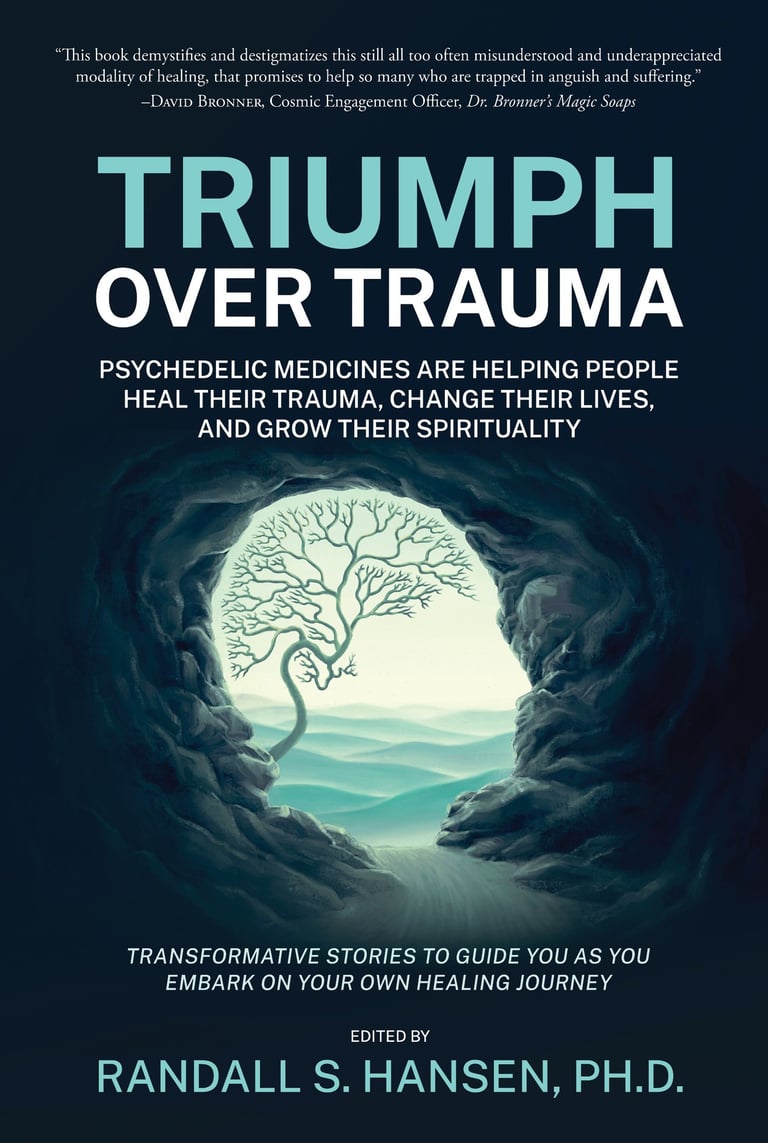
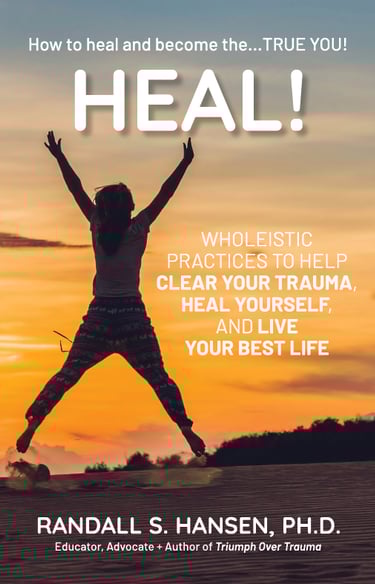
He is the author of the groundbreaking Triumph Over Trauma: Psychedelic Medicines are Helping People Heal Their Trauma, Change Their Lives, and Grow Their Spirituality and the well-received HEAL! Wholeistic Practices to Help Clear Your Trauma, Heal Yourself, and Live Your Best Life.
The third book in the Wholeistic Healing Trilogy is the game-changing The HEALing Revolution Diet: A Science-based Approach to Heal Your Gut, Reverse Chronic Illnesses, Lose Weight, Clear Your Mind, and Increase Longevity.
Dr. Hansen's focus and advocacy center around true health and healing journeys that results in being able to live an authentic life filled with peace, joy, love. Learn more by visiting his personal Website, RandallSHansen.com. You can also check out Dr. Randall Hansen on LinkedIn.
Expert advice on ways to make your life healthier, simpler, better, more fun!