What's Holding You Back From Healing?
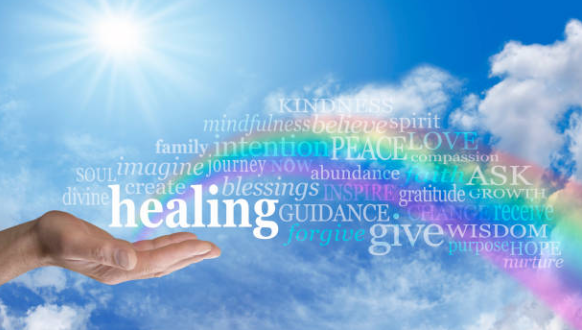
What is holding you back from healing? Discover the truth about trauma and the hidden wounds, myths, and fears that keep people from transformative healing journeys.
Let’s start with some common facts about trauma:
Trauma happens to every type of person -- all ages, all classes, all races, etc.
People experience a spectrum of trauma, from small instances to major assaults, from one event to prolonged/repeated exposure.
Trauma can result from both physical and emotional abuse.
Childhood trauma gets stored deeply within; it may look like resilience, but it is not.
Many studies suggest that a significant percentage of children, often cited around one in four, are affected by trauma from abusive/uncaring parents, bullying in school, or sexual molestation.
People respond differently to trauma.
Trauma can affect health, both physical and mental.
Unresolved trauma can lead to creating multiple personas (masks), risky behaviors, addiction, sleep issues, stress eating, and mood alterations.
Trauma can be passed down through the generations (through behavior, attachment patterns, and in some cases epigenetic factors).
Social isolation exacerbates unresolved trauma wounds.
When we have a strong (and unexpected) emotional reaction (called a “trigger”), that’s a trauma response.
It’s not the actual trauma that we carry with us, but the unhealed wound.
A trauma wound is less about the actual event(s), and more about how your body and brain experienced it.
Think of trauma as a psychic wound, hurt, defeat that hardens and changes you. (A psychic wound is an emotional or spiritual injury, something that changes how we see ourselves and the world.)
When we don’t resolve the wound, we often get stuck in protection mode of fight, flight, freeze, or fawn. (Fight is being overly aggressive or defensive; flight is avoiding, escaping, staying busy; freeze is getting stuck, shutting down; and fawn is people‑pleasing, appeasing to stay safe.)
Some people are able to fully recover and clear old trauma with no interventions, but the vast majority of people need assistance in healing it.
Holding onto past trauma is one of the main drivers in the massive increase in prescribing antidepressants, anxiolytics, as well as medications for sleep, blood pressure, and more.
Unaddressed trauma can actually change the structure of our brains, particularly in regions involved in memory, emotion, and stress responses (like the amygdala and hippocampus).
Do you still believe you don’t need healing? We all need healing because we have all experienced some amount of trauma in our lives.
Here are some other ways your trauma may be expressed:
Feeling unfulfilled in your career, with no clear path for finding it;
You are or have been unsuccessful in all long-term relationships;
Your life -- or parts of it -- seems out of balance, out-of-control;
You live with chronic self‑criticism about your life;
You have difficulty setting boundaries, leading to feelings of resentment, emotional exhaustion, people-pleasing, and exploitation;
Addiction to substances, alcohol, shopping, gambling, porn, hoarding;
Perfectionism, workaholism, and extreme activities are worn as badges of honor;
Feeling overly responsible for others’ emotions;
You generally experience emotional numbness;
You struggle with bouts of feeling uninspired, uncreative, and unhappy;
The same questions keep arising in your mind -- for which you have no answers.
And while the trauma was caused by someone else and was out of your control, you DO control how to react and deal with pain, how you deal with forgiveness, and how you move forward with healing.
The remainder of this article looks at some of the myths around trauma and healing that are stopping people from living their best lives, from living free from the past, from being whole again, along with healing resources for when you are ready to start your journey to freedom, peace, love, and happiness.
Myths About Trauma That Hinder Healing
Even when we sense something from the past is affecting us, certain beliefs can keep us stuck.
Here are some of the most common myths and lies we tell ourselves to avoid facing the truth about our past.
1. It wasn’t so bad… and others had it much worse. Whether this is true or not is moot because there is no comparing trauma. If you recognize it, you need to heal it. Plus, we tend to minimize the trauma so we can better “manage” it.
2. Time heals all wounds. Time does help distance ourselves from event, but time alone is not enough. Healing requires active intention and effort, self-reflection, support, and personal growth.
3. It was my fault; I should have been stronger, smarter. Please immediately erase this thought, knowing that it is an extremely common occurrence… what is referred to as trauma-related self-blame.
4. I should be over it by now. There is no “getting over” trauma. Whether you say this to yourself or others have said it to you, it shows a complete misunderstanding about how we heal.
5. If I simply stop thinking about it, it will eventually go away. With work, you may be able to partly train your brain to keep the trauma partially locked away, but the moment you get triggered, all of it gets reactivated.
6. Focusing on the past is a useless endeavor. Have you heard or been told, “the past is the past” or “let sleeping dogs lie?” Integrating all your past experience, including your traumatic ones, is essential to healing and wellness.
7. I don’t want to hurt or embarrass my family by dealing with it. My guess is that some family members know or suspect that bad things happened, so the worry about embarrassing them should be the last thing on your mind, but people-pleasing is often a result of trauma.
8. I have never experienced trauma. Denial is when someone refuses to accept certain realities or facts, and it’s a psychological defense mechanism to protect the self/ego, but we have to be able to explore and heal uncomfortable truths about our past.
Healing May Seem Scary For These Reasons
Is fear stopping you from a healing journey? Here are some of the common fears people experience before starting a healing journey:
Fear of remembering and reliving the trauma;
Fear of confronting anger toward loved ones who hurt you;
Fear of a change/identity shift as a result of healing;
Fear of not being believed about what happened to you;
Fear of losing control and of coping mechanisms.
But please know that while healing can be challenging on many levels, it's important to acknowledge and name these fears, move at a comfortable pace, and use trauma-informed practices, including some of my other articles listed in the next section to make the process feel safer.
Final Thoughts About Trauma and Healing
Remember that trauma is not a disease or condition, but rather a human experience rooted in survival instincts. It is not a brain disorder or a mental problem alone; trauma also impacts our body, our soul. It affects our entire system. Unhealed trauma lingers like a shadow over our lives.
Furthermore, trauma is not what happened TO you, but rather the emotional response to something that we experience, either something horrible that happens to us (directly or indirectly) or when love/safety are withheld. It’s what remains in our hearts, our minds, our bodies after the trauma -- and those remains are why we can so easily be triggered into an unexpected reaction. Trauma breaks us; our reaction to the trauma is to disconnect from it, thus disconnecting ourselves -- from ourself!
This is why healing is so important. It is not an exaggeration to say that healing from one’s past is life-changing, transformative, essential.
When you are ready, here are a few more of my articles on healing that will help you get on that healing journey:
Finally, as you reflect on the focus of this article, please remember the words of the wonderful and compassionate Dr. Gabor Mate (author of The Myth of Normal and other books): “The greatest damage done by neglect, trauma, or emotional loss is not the immediate pain they inflict but the long‑term distortions they induce…”
Additional Trauma Resources
Dr. Randall Hansen is an evangelist, educator, and thought-leader... helping the world heal from past trauma and the poor food system. He is founder and CEO of EmpoweringSites.com, a network of empowering and transformative Websites, including EmpoweringAdvice.com.
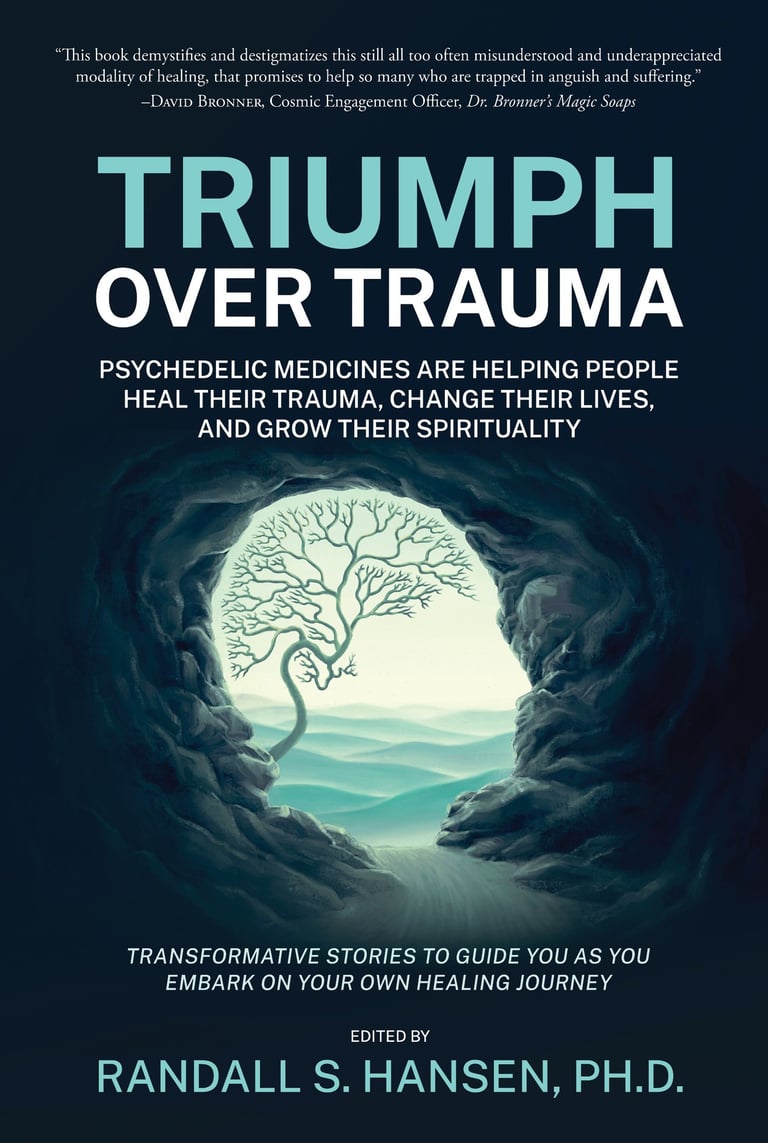
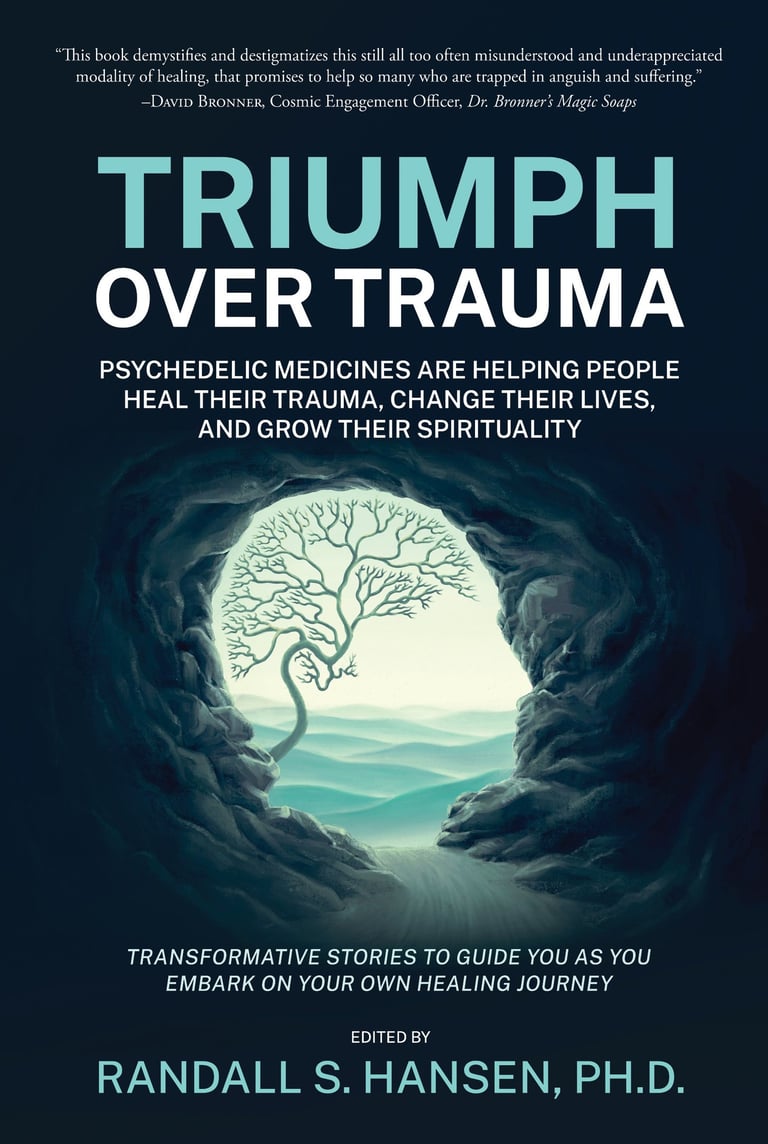
He is the author of the groundbreaking Triumph Over Trauma: Psychedelic Medicines are Helping People Heal Their Trauma, Change Their Lives, and Grow Their Spirituality and the well-received HEAL! Wholeistic Practices to Help Clear Your Trauma, Heal Yourself, and Live Your Best Life.
The third book in the Wholeistic Healing Trilogy is the game-changing The HEALing Revolution Diet: A Science-based Approach to Heal Your Gut, Reverse Chronic Illnesses, Lose Weight, Clear Your Mind, and Increase Longevity.
Dr. Hansen's focus and advocacy center around true health and healing journeys that results in being able to live an authentic life filled with peace, joy, love. Learn more by visiting his personal Website, RandallSHansen.com. You can also check out Dr. Randall Hansen on LinkedIn.
Expert advice on ways to make your life healthier, simpler, better, more fun!