
The Hidden Lifelong Impact of Childhood Trauma

Childhood trauma is pervasive in our society, and the impacts on adult mental and physical health are staggering. Learn the details and how you can heal from it.
Childhood Trauma is Both Pernicious and Insidious
Trigger Warning: This article raises several issues about trauma, especially childhood trauma. The information is not graphic, but it is devastating. It also explains so much of the anger, frustration, and pain that many adults feel. I strongly encourage you to lean in with curiosity rather than immediately turning away. The information included in this article might completely change your life for the better.
What if one of the biggest causes of adult depression, anxiety, addiction, obesity, chronic illness, and even early death began decades ago in childhood?
At least two-thirds of us have experienced at least one traumatic event in childhood; about one-quarter of us experienced three or more such events. I don’t know about you, but that number is staggering – and impacts the health and future of children from all communities.
Let me ask you something. How is your health? Are you suffering from any mental or physical ailments, especially unexplained or unusual ones? Unprocessed childhood trauma can result in a wide range of harmful, even life-ending health issues.
I am a survivor. I was a victim of multiple childhood traumas. I won’t go into all the details here, but I want you to know I am speaking both as a researcher and as someone who has survived and healed from experiences ranging from a bike accident and resulting traumatic brain injury, to verbal and physical abuse from an alcohol-fueled father, to at least one sexual abuse incident.
You might be asking yourself, is it really both pernicious and insidious? I guarantee that if you continue reading the information in this article, you will agree. It’s pernicious because of the vast amount of damage it causes, from childhood until death. It’s insidious because culture has made it a taboo subject, and thus it causes tremendous harm to the victims, often completely under the radar of any adults.
One more thing: Childhood trauma is what is resilient. Children are not resilient; they just find coping skills (often dangerous ones) for dealing with the trauma. But trauma from childhood that has not been healed is persistent and resilient, having a plethora of effects on our lives, whether we are aware of them or not.
Childhood trauma may be one of the most overlooked forces driving humanity's greatest challenges because many people go through their entire lives never dealing with it or healing from it, and suffering with all the negative consequences outlined later in this article. Furthermore, many people who were abused in childhood often go on to repeat the offenses with the children they interact with.
Childhood trauma alters brain development (amygdala, hippocampus, prefrontal cortex), dysregulates stress responses (hypothalamic-pituitary-adrenal axis, cortisol), and triggers chronic inflammation and immune system dysfunction, thus creating lasting mental health and biological vulnerabilities that persist into adulthood.
The rest of this article will provide you with the startling statistics of childhood trauma, strategies for recovering from childhood trauma, and then conclude by examining the ways we can help reduce the amount of childhood trauma in our families and communities.
The Prevalence of Childhood Trauma/Abuse
The official term for childhood traumatic events is Adverse Childhood Experiences (ACEs). These are the traumatic events (e.g., abuse, violence, neglect, food insecurity) that happen between birth and 18 years of age.
According to the U.S. CDC, “Three in four high school students reported experiencing one or more ACEs, and one in five experienced four or more ACEs.
According to the CDC, “Among U.S. adults from all 50 states and the District of Columbia surveyed during 2011–2020, approximately two-thirds reported at least one ACE; one in six reported four or more ACEs.”
Furthermore, the CDC categorizes ACEs into three main types: abuse, neglect, and household challenges:
Abuse/Violence (physical, emotional, sexual)
Neglect (physical or emotional)
Household Challenges (domestic violence, mental illness, substance abuse, instability)
Of course, other examples include financial hardship, death of a parent/guardian, natural disasters, accidents, crimes, bullying, and neighborhood violence.
In other words, ACEs are any situations/events that undermine a child’s sense of love, bonding, safety, and security.
The impacts from these adverse events affect a child’s emotional, cognitive, and physical development. Prolonged exposure to ACEs can leave the child with complex post-traumatic stress.
ACEs that have not been healed can have lifelong effects on mental and physical health, often leading to these issues in adulthood:
Impaired Developmental Issues (affecting memory, logical thinking, and emotion processing)
Mental Illnesses (phobias, depression, anxiety, PTSD, psychosis, OCD, and suicidality)
Addiction Issues (both substance addiction (e.g., alcohol, drugs, tobacco) and behavioral addiction (e.g., food/sugar, gambling, shopping, porn).
Chronic Health Problems (high blood pressure, heart disease, diabetes, obesity, and early death)
Limited Life Potential (distorted self-perception, self-esteem issues, imposter syndrome, self-sabotage, burnout, perfectionism)
Happily, not all children experience lifelong trauma from an adverse childhood experience, but many of us do because the child brain simply does not have the ability to process these adverse experiences, especially when they come from a “loved one.”
Recovering and Thriving After Childhood Trauma
The first step toward healing is examining your childhood and identifying and accepting ACEs that happened to you. Do not stress if you can’t remember many details or even the actual events; this is a typical protective measure by the child brain.
The next step is simply planning a healing journey. This may include working with a therapist, doing inner child work, asking for support from loved ones, going deeply into meditation or prayer, taking a retreat in nature, or using psychedelics to delve deeper into your mind.
Please understand that healing from childhood trauma is one of the hardest – and bravest – things you will do in life, especially the older you are.
The purpose of a healing journey is for you to face that trauma -- finally -- in a safe manner that does not cause more trauma, and which results in you finally becoming your complete and true self, rediscovering aspects of yourself that may have been lost for years, decades, because of the trauma.
A healing journey takes time and effort, and there may be times of great frustration or setbacks, but people who take it step-by-step find the experience life-changing and life-enhancing.
When you consciously work to clear all that past trauma and integrate all you’ve learned into your adult life, you begin to move closer to the person you were always meant to be. You were never broken, but you did suffer from trauma, and a healing journey brings you back home to your true self.
For more specific information, please see my other articles:
Stopping Childhood Trauma
It may take several generations to greatly reduce overall childhood trauma, but if we are a parent or caregiver to children, we can take action to protect the children under our supervision, including:
Build a safe, nurturing, and loving relationship with your child, with open communication;
Talk to your child about appropriate and inappropriate adult behaviors;
Support school and community efforts to educate and eliminate childhood trauma;
Listen to your child, validate their feelings, and investigate any claims of abuse/neglect;
Review your parenting skills and make sure you are focused on building strong relationships with each child;
Observe your child’s behaviors and look for signs of distress, including declining performance in school, loss of interest in hobbies, change in eating, claims of vague health issues, change in sleeping, bedwetting, mood swings, difficulty showing affection, anger, or withdrawal.
Seek professional help from a therapist for your child if you suspect any kind of trauma.
Final Thoughts About Childhood Trauma
For the future of humanity, for the sake of protecting our children, we must work together to break the silence and cycle of childhood trauma.
Every healed adult reduces the likelihood of trauma being passed to the next generation. Healing childhood trauma is not just an act of self-care; it is one of the greatest gifts we can give our families, communities, and future generations.
Author Michael J. Menard, in his powerful book, Greater Than Gravity, states: “Childhood trauma casts a long shadow over the human experience, and much of the pervasive sadness, loneliness, depression, anxiety, addiction, crime, and illness that afflict our society can be traced to its often-hidden wounds.”
If you see yourself in this article, please seek healing today. It is never too late to live your best life, unencumbered by the wounds of childhood.
If you have any children in your life, please love and nourish them, but also focus on open (and non-judgmental) communication… and remember to observe any changes in behavior and act on them.
All of us can play a role in fixing this plague on humanity.
By the way, as I started my healing journey, I counted five confirmed traumatic childhood events, and while it took me too many years of avoidance and poor health, I finally started that journey 15 years ago; I have never felt more like myself, and my life has never been more filled with love, joy, and peace. I am hoping the same for you!
Adverse Childhood Experiences (ACEs) Assessment
Interested in exploring your childhood experiences more deeply? This detailed self-assessment and reflection examines the common forms of childhood trauma, which are also referred to as Adverse Childhood Experiences (ACEs). Take the Adverse Childhood Experiences Assessment.
Additional Childhood Trauma/Adverse Childhood Experiences
Dr. Randall Hansen is an evangelist, educator, and thought-leader... helping the world heal from past trauma and the poor food system. He is founder and CEO of EmpoweringSites.com, a network of empowering and transformative Websites, including EmpoweringAdvice.com.
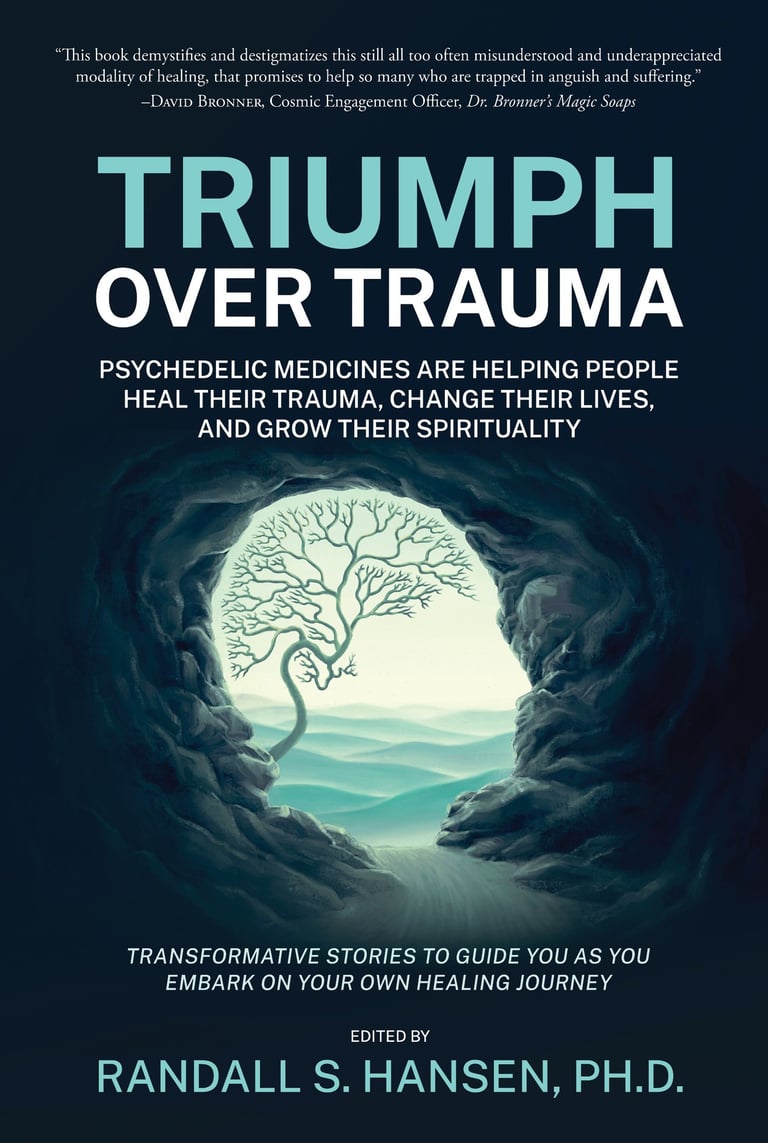
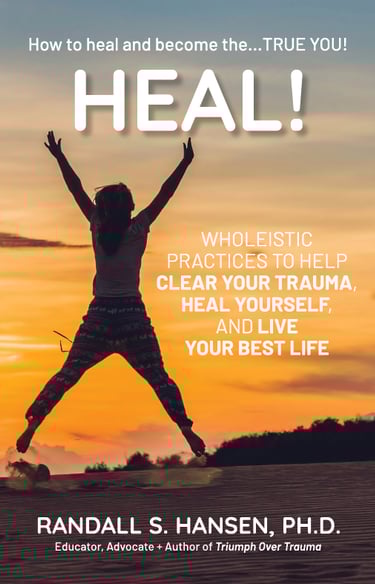
He is the author of the groundbreaking Triumph Over Trauma: Psychedelic Medicines are Helping People Heal Their Trauma, Change Their Lives, and Grow Their Spirituality and the well-received HEAL! Wholeistic Practices to Help Clear Your Trauma, Heal Yourself, and Live Your Best Life.
The third book in the Wholeistic Healing Trilogy is the game-changing The HEALing Revolution Diet: A Science-based Approach to Heal Your Gut, Reverse Chronic Illnesses, Lose Weight, Clear Your Mind, and Increase Longevity.
Dr. Hansen's focus and advocacy center around true health and healing journeys that results in being able to live an authentic life filled with peace, joy, love. Learn more by visiting his personal Website, RandallSHansen.com. You can also check out Dr. Randall Hansen on LinkedIn.
Expert advice on ways to make your life healthier, simpler, better, more fun!