
Making Play Fun Again: Release Your Inner Child

Making play fun again is not about reverting to our inner child; it is about allowing our adult selves to let go and have fun. Adult play has multiple wellness benefits.
One of my fondest memories during a two-year road trip was discovering campgrounds that had play equipment, from swings to seesaws to… a merry-go-round that made us dizzy with joy and laughter.
When was the last time you rolled in the grass? Swung on a swing and jumped off like you were flying? Played a round of miniature golf? Rode your bike for the fun of it? Built and flew paper airplanes? Threw a frisbee? Danced an afternoon away?
Somewhere along the way, many of us stopped playing.
We got busy.
We became responsible.
We started measuring our worth by our income and productivity.
And without realizing it, we left behind one of the most important ingredients for a healthy and joyful life. We often get mired in adulthood and the amount of time for play evaporates, but growing evidence supports the idea of play as primal.
I am here to tell you, to encourage you, and to exhort you … to make time for play.
Your inner child hasn't disappeared. They've simply been waiting for an invitation to come out and play again.
Play is essential for adult mental health. It helps boost creativity and problem-solving, reduces stress and cortisol levels, strengthens social bonds, enhances emotional well-being and satisfaction, promotes positivity, and helps us feel young again. Regularly making time for play can help us while on a healing journey, aid in reducing burnout, mitigate anxiety, and relieve rigid OCD thought loops.
There’s even a growing body of research in psychology, neuroscience, and education that reveals that play remains crucial throughout adulthood, as highlighted in Dr. Stuart Brown’s book, Play: How it Shapes the Brain, Opens the Imagination, and Invigorates the Soul.
Research even suggests that playful activities can support brain health by increasing levels of BDNF, a protein that helps our brains learn, adapt, and stay healthy as we age.
Finally, play can also lead to flow, a state of deep immersion where you lose track of time and perform at your best. Flow is linked to increased productivity, enhanced creativity, and greater life satisfaction.
So, when was the last time you had an unstructured fun time? We cannot let the pressures of adulting – jobs, bills, laundry, cooking, etc. – stop allowing our inner child to come out and play.
Ways to Make Play Fun Again
It first starts with a mindset. It is not just about the physical act of playing; we have to be all in and make play part of our daily lives.
Everyone has to create their own vision of play, but for me, it almost always starts outside in nature, which makes sense because I spent countless hours as a child playing outside, riding my bike to nearby parks and playgrounds, and climbing trees to hide and spy on neighbors.
To help spur some of your own ideas, here are some different categories of play:
1. Physical Play. Any activity that gets us moving and produces endorphins. This can include dancing, hopping, skipping, jumping, active games (kickball, obstacle course, frisbee), and most sports (as long as they are played for fun and not competition).
2. Social Play. Any activity in which we work in teams to have fun. Examples include musical chairs, hot potato, karaoke or lip sync battles, mystery dinners, truth or dare, etc. Remember the goal here is to have fun and socially engage with friends and loved ones.
3. Creative Play. Any artistic activity, hobby, or tinkering that is for fun – and not for performance that also grows skills and brings joy. The list is endless, but includes artistic endeavors (painting, sculpting, drawing), pottery, photography, woodworking, sewing, crocheting, jewelry-making, journaling, writing, songwriting, etc.
4. Adventure Play. Any activity that involves thrilling, exciting activities with uncertainty. This can include hiking new trails, paddleboarding, geocaching, rock climbing, exploring new places, and unplanned road trips
5. Mental Play. Any activity that challenges the brain, including puzzles, riddles, strategy games, or language games. Examples include chess, sudoku, crossword puzzles, jigsaw puzzles, role-playing, improv theater, trivia quizzes, strategy video games, book clubs, etc.
6. Work Play. Any activity incorporating elements of play – such as creativity, experimentation, curiosity, and fun – into professional or everyday tasks. Also called playful work or gamification of work. Examples include made-up time challenges and rewards for completing tasks, team challenges, improv workshops, and icebreaker games.
Play, Inner Child, and Trauma
One of the hidden costs of past trauma is that it often steals our ability to experience joy, curiosity, spontaneity, and play.
Thus, if our inner child has been lost or buried beneath years of adulting and trauma, starting a play practice is a great tool to begin showing your inner child that it’s safe to come out and play. Adult play can help increase self-awareness, bring more joy, reduce anxiety, and deliver a sense of freedom and safety.
Is your inner child wounded? See if some of these common signs of a wounded child ring true to you:
harsh self-criticism
self-sabotaging behaviors
trust issues
rigidness and perfectionism
fear of abandonment
sense of inadequacy
conflict avoidance
people-pleasing
unhealthy or destructive coping patterns
emotional overreactions
Getting back to play is a wonderful start to rediscovering yourself and a glimpse into what life could be like if you take a healing journey and truly integrate your younger self with your present self. When you’re ready to explore healing beyond play, here are some of my articles:
Final Thoughts About Play
It’s time to make play not only fun again – but something we incorporate into our adult lives.
Adults need play, so if you start feeling guilty because play is unproductive or a waste of time, it is further proof that you need a playdate more than ever.
Beneath the responsibilities, deadlines, bills, and endless to-do lists is an inner child who remembers what it felt like to laugh without a reason, explore without a goal, and create simply for the joy of creating.
Play is not a luxury. It's part of being fully human… Perhaps that's why some of our happiest memories have play at their center. Remember, play also has so many benefits for both the body and the brain.
Here are some final brainstorming ideas when thinking of play:
Play in nature
Bring back childhood favorites
Find new hobbies
Invite loved ones to join in on the fun
Incorporate pets into play
Please start today:
Take a walk without a destination
Fly a kite
Swing on a swing
Play with your pet
Throw a Frisbee
Dance to a favorite song
Laugh until your stomach hurts
Because healing isn't always found in hard work, deep reflection, or serious self-improvement.
Sometimes healing begins when we simply remember that play is for all ages… no permission needed.
Additional Adult Play and Inner Child Resources
Here are some additional articles and tools to help you with bringing play back into your life:
Dr. Randall Hansen is an evangelist, educator, and thought-leader... helping the world heal from past trauma and the poor food system. He is founder and CEO of EmpoweringSites.com, a network of empowering and transformative Websites, including EmpoweringAdvice.com.
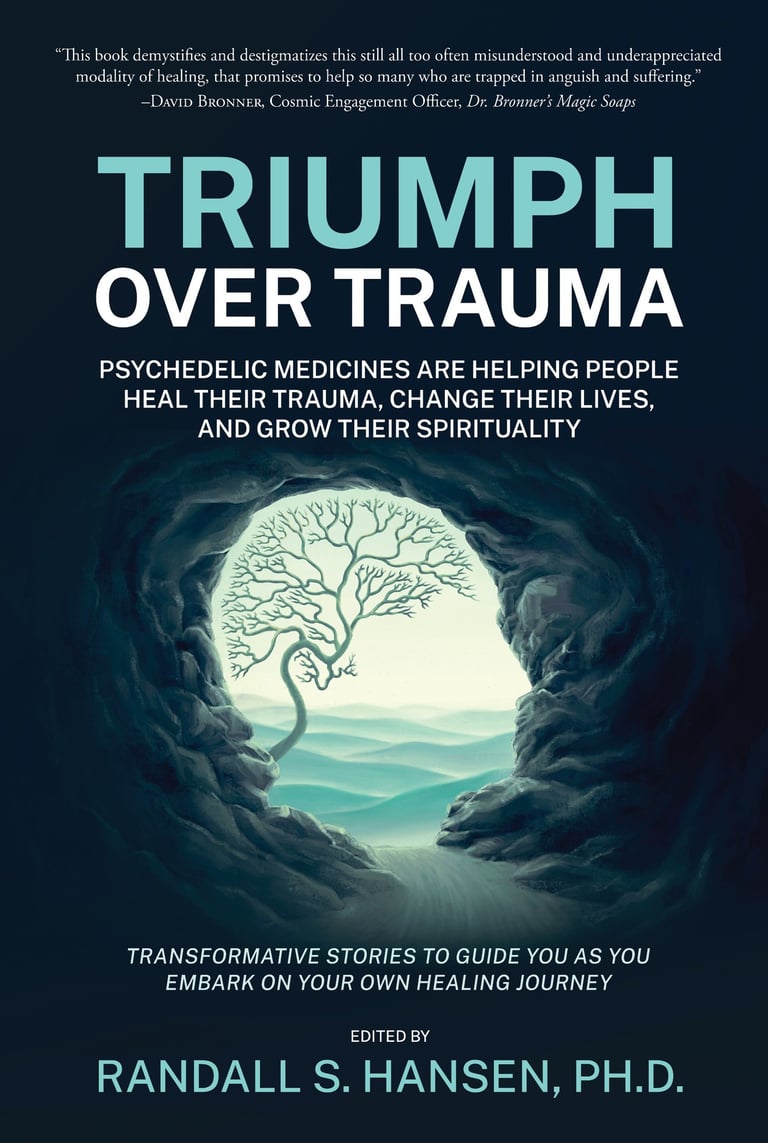
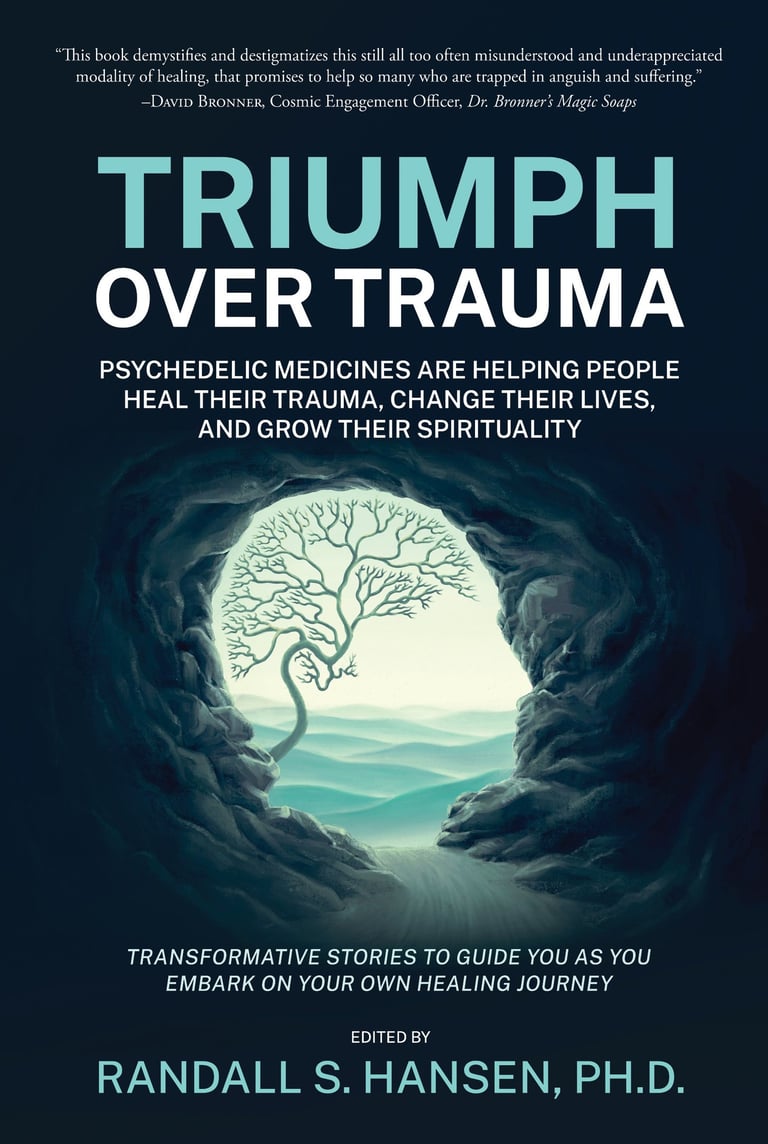
He is the author of the groundbreaking Triumph Over Trauma: Psychedelic Medicines are Helping People Heal Their Trauma, Change Their Lives, and Grow Their Spirituality and the well-received HEAL! Wholeistic Practices to Help Clear Your Trauma, Heal Yourself, and Live Your Best Life.
The third book in the Wholeistic Healing Trilogy is the game-changing The HEALing Revolution Diet: A Science-based Approach to Heal Your Gut, Reverse Chronic Illnesses, Lose Weight, Clear Your Mind, and Increase Longevity.
Dr. Hansen's focus and advocacy center around true health and healing journeys that results in being able to live an authentic life filled with peace, joy, love. Learn more by visiting his personal Website, RandallSHansen.com. You can also check out Dr. Randall Hansen on LinkedIn.


Expert advice on ways to make your life healthier, simpler, better, more fun!