
What’s Distracting You From Wellness?

Are distractions stealing your wellness? Learn how social media, stress, chasing, comparison, multitasking, and busyness impact health ... and how to take back control.
Ever had one of those moments with your phone or laptop where you planned to spend five minutes doing something (scrolling, researching, etc.), and it ends up being much longer… maybe even more than an hour? Have you been having more and more of these “distracted” moments?
We have more tools of distraction than ever before, which can often lead to feelings of overwhelm and/or be used as an excuse that is stopping us from working on ourselves.
Are you chasing something? Are your distractions leading you to a lack of focus or a sense that you can’t get caught up – that there is always something else calling out for your attention?
Do you even know what your key distractions are that waste so much of your time?
Distractions hurt us. Too many distractions impair us. Here’s how:
Health. Distractions lead to mindless/distracted eating and snacking, and can significantly contribute to poor eating habits and lack of movement, leading to poor health.
Unhappiness/Dissatisfaction. The more distractions, the deeper the unhappiness with life grows by fragmenting your attention, disrupting your sense of purpose, and leaving you feeling unfulfilled, anxious, or disconnected.
Cognitive Overload/Burnout. Constant distractions lead to stress, anxiety, and burnout, which can erode your happiness by fragmenting your attention, disrupting your sense of purpose, and leaving you feeling unfulfilled, anxious, or disconnected.
Broken Relationships. Digital distractions reduce feelings of empathy and connection, easily eroding one-on-one relationships.
Unachieved Dreams/Goals. Distractions hold space in our brains, reducing bandwidth, leading to self-limiting actions/decisions and the inability to achieve your full potential.
This article is partly about explaining the common distractions we face, along with strategies for limiting the hold distractions have on us, but it is also about living more mindfully; we have to remember that we control our distractions, not the other way around.
If you are seeking a better quality of life, if you are seeking to regain your mental health and wellness, then please keep reading.
Common Distractions Facing All of Us
While the list of potential distractions is endless, here are the most common types facing the majority of us.
1. Digital Distractions
Smartphones and Social Media: Notifications, endless scrolling, and the urge to check apps constantly.
Emails and Messaging Apps: Constant pings from emails, Slack, WhatsApp, or other messaging platforms.
Multitasking: Trying to juggle multiple digital tasks at once, which reduces focus and efficiency.
2. Environmental Distractions
Clutter: A messy workspace or living area can make it hard to concentrate.
Noise: Unexpected and unusually loud noises can impact focus.
Uncomfortable Workspaces: Poor lighting, ergonomics, or temperature can be distracting.
3. Internal Distractions
Stress and Anxiety: Overthinking, worrying about the future, or dwelling on past events.
Lack of Sleep: Fatigue makes it harder to focus and resist distractions.
Perfectionism: Wasting time tweaking and polishing already completed work.
Comparison: Obsessing over the lives of friends, celebrities.
Procrastination: Delaying tasks due to lack of motivation or interest.
Chasing: Desire for wealth, celebrity, and gratification.
4. Workplace Distractions
Meetings: Too many or unnecessary meetings that disrupt workflow.
Interruptions: Coworkers stopping by for casual chats or questions.
Unclear Goals: Not knowing priorities can lead to wasted time on less important tasks.
5. Diet & Lifestyle Distractions
Overextending Yourself: Saying “yes” to too many commitments.
Toxic Relationships: Allowing people who drain us or constantly belittle us.
Fear of Missing Out (FOMO): Apprehension about accidentally skipping things.
Poor Time Management: Not setting boundaries or prioritizing tasks effectively.
Unhealthy Habits: Excessive caffeine, sugar, or lack of exercise can affect focus.
Are You Letting Distractions Sidetrack Your Wellness?
Sometimes distractions are not the real problem. They are symptoms of something bigger.
We scroll, overwork, binge-watch, overcommit, and stay constantly busy because slowing down would require us to face something uncomfortable – ourselves and the life we’re living.
Specifically, some people use distractions as a way to avoid having to face:
Unhealthy relationships
Difficult emotions
Unresolved trauma
Loneliness
Grief
Uncertainty
Lack of purpose
Self-reflection
Unsatisfying or stressful job
Making difficult life changes
Strategies for Controlling the Distractions in Your Life
When you are ready to take back control from your distractions, here are seven effective strategies:
Set Boundaries: This is about defining and communicating what you will and won’t tolerate in your relationships, time, devices, and personal space. Stop comparing life to others; learn to say no and to enforce limits on your time.
Practice Mindfulness: This is about bringing presence to everyday activities. Techniques like meditation, breathwork, and journaling can improve focus and reduce stress.
Control Digital Environment: This is about ending the hold devices have on your time. Turn off notifications, put devices away during focused work; set timers when using.
Create a Schedule/Routine: This is about making the best use of your limited amount of time. Structure your day with dedicated time for focused work.
Prioritize Tasks: This is about creating clarity, reducing overwhelm, and directing your focus toward the essential. Use tools like a simple “to-do list” to focus on what’s truly important.
Declutter: This is about reducing the clutter (physical, digital, or mental) that competes for your attention, drains your energy, and creates a sense of overwhelm. Organize your physical (keep, recycle, toss) and digital spaces.
Take Breaks: This is about creating purposeful breaks, which can restore your ability to concentrate, reduce mental fatigue, and even boost creativity. Short breaks can actually boost productivity. (Of course, my recommendation is that most breaks should be Exercise Snacks.)
Give Up the Idea of Multitasking: This is about understanding that multitasking is a myth; the human brain is only capable of task-switching. Instead of trying to multitask, focus on one task at a time (in smart blocks of time) for better results.
Final Thoughts About Distractions and Wellness
Is wellness one of your top priorities? If so, please take this article to heart – both in understanding why you allow distractions into your life and how you can conquer the distraction demon and regain your time, energy, and wellness.
A 2023 national survey found that Americans consider health a top priority, but several factors often impede their ability to prioritize wellness in daily life – allowing distractions to derail them from their top priority.
Furthermore, younger generations, particularly Millennials and Gen Z, are driving a strong cultural wellness shift, with 79 percent of respondents across six countries reporting that wellness is important to them, and 42% ranking it as a top priority in their lives.
So… most adults appear to take health and wellness as important, and yet we are perhaps the sickest we have ever been, with diet and lifestyle driving these ongoing health issues – and perhaps we are simply too distracted with all the things to truly understand that our mental and physical health is declining.
The good news is that distractions do not have to control your life.
By becoming more aware of what pulls your attention away from your health, relationships, purpose, and well-being, you can begin making intentional choices that support the life you truly want.
Wellness is not found in doing more. Sometimes it is found in removing the things that keep us from what matters most.
If you want joy, peace, love, and wellness in your life, you know what you have to do… and know that I am right here urging you forward on your wellness journey.
One last word – and it’s an assignment for you. What is the single biggest distraction currently keeping you from becoming the healthiest version of yourself, and what is one small step you can take this week to reduce its hold on you?
Additional Resources Related to Distractions
If you want to go deeper into distraction research, here are some excellent resources:
Dr. Randall Hansen is an evangelist, educator, and thought-leader... helping the world heal from past trauma and the poor food system. He is founder and CEO of EmpoweringSites.com, a network of empowering and transformative Websites, including EmpoweringAdvice.com.
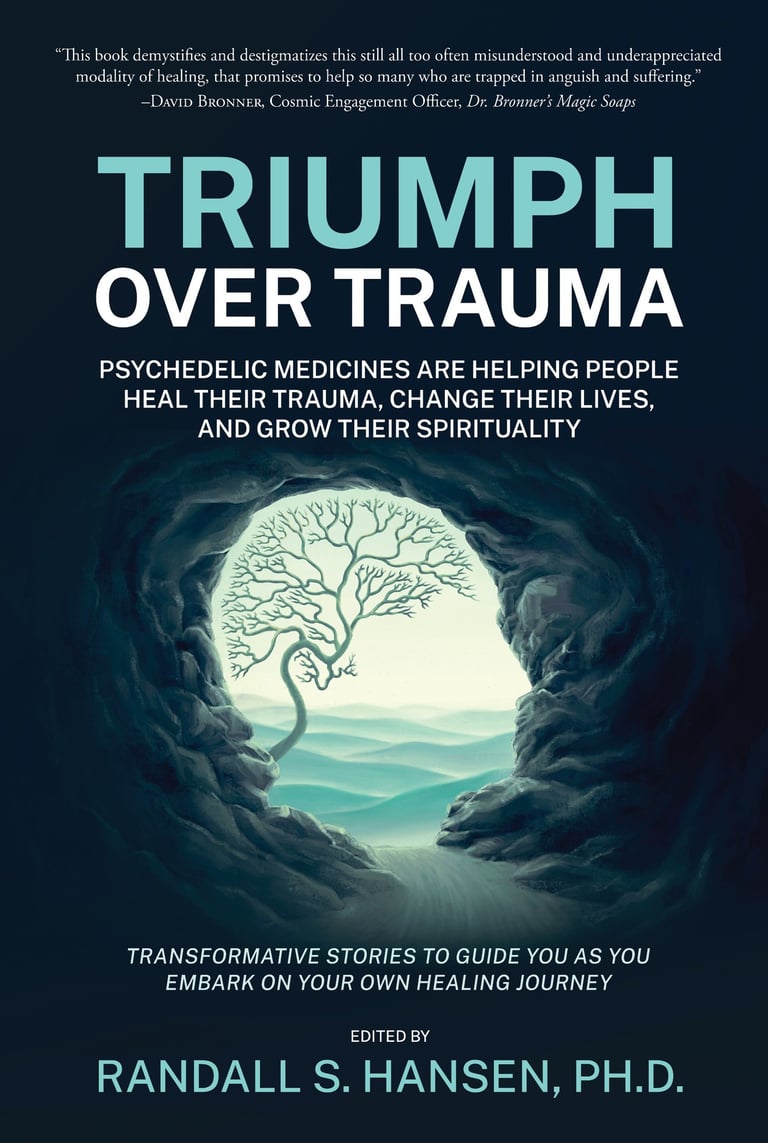
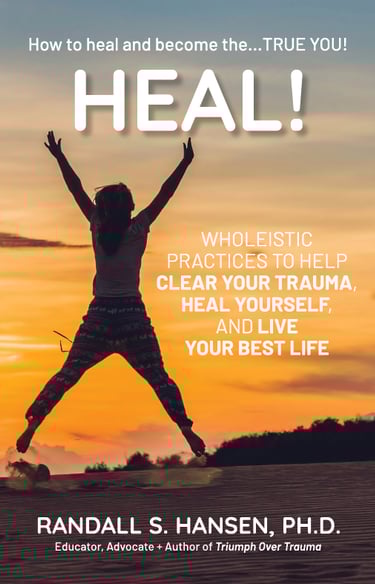
He is the author of the groundbreaking Triumph Over Trauma: Psychedelic Medicines are Helping People Heal Their Trauma, Change Their Lives, and Grow Their Spirituality and the well-received HEAL! Wholeistic Practices to Help Clear Your Trauma, Heal Yourself, and Live Your Best Life.
The third book in the Wholeistic Healing Trilogy is the game-changing The HEALing Revolution Diet: A Science-based Approach to Heal Your Gut, Reverse Chronic Illnesses, Lose Weight, Clear Your Mind, and Increase Longevity.
Dr. Hansen's focus and advocacy center around true health and healing journeys that results in being able to live an authentic life filled with peace, joy, love. Learn more by visiting his personal Website, RandallSHansen.com. You can also check out Dr. Randall Hansen on LinkedIn.
Expert advice on ways to make your life healthier, simpler, better, more fun!