
What Is Metabolic Flexibility? Why It Matters for Energy, Weight, and Health, and How to Obtain It
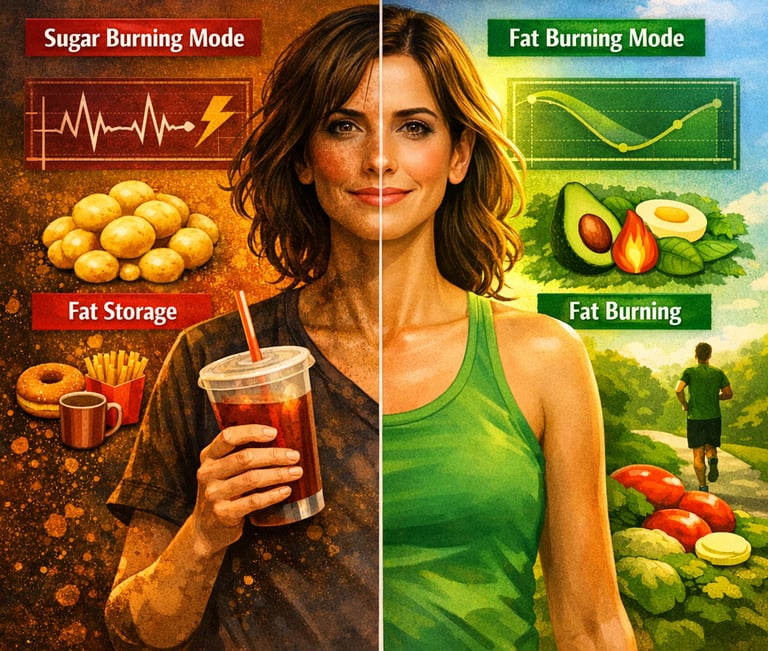
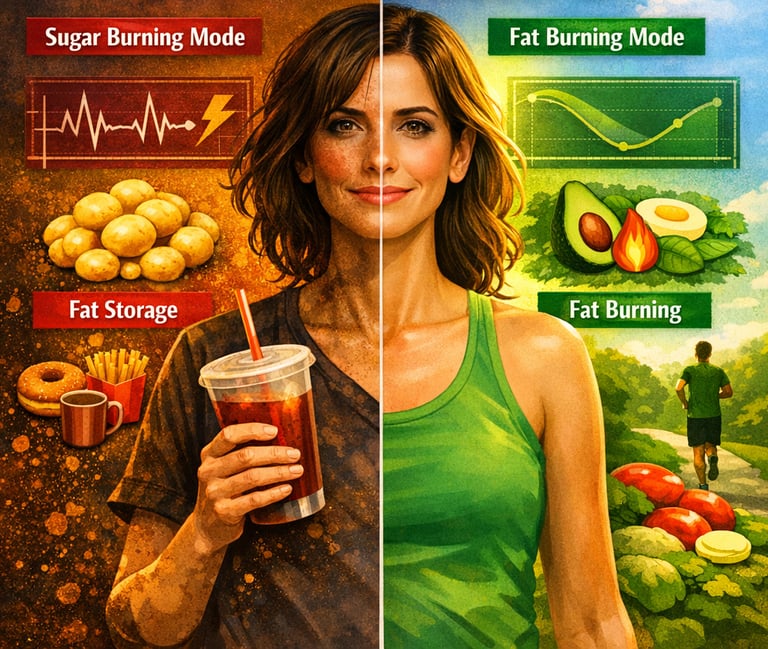
In seeking wellness, we need metabolic flexibility -- the hallmark of good health, which allows the body to switch between burning fat and burning carbohydrates easily.
Do you believe that the body needs dietary sugars? Do you know that with the amount of sugar we are consuming, the body converts that sugar into fat stores in our bodies?
If your energy crashes throughout the day -- or you’re constantly hungry no matter how much you eat -- you’re not alone. And it has very little to do with willpower and more to do with the food system.
More importantly, are you aware that many people have lost their body’s ability to switch between using glucose for energy and using fat?
Metabolic flexibility is the ability of the body to switch between sugar-burning (glucose) and fat-burning (fatty acids), the result of a long history of human feasts and famines when flexibility was essential to continued life.
When we are healthy and eating a nutritious diet, we have metabolic flexibility, easily switching between burning fat and burning carbs.
In fact, the default for humans is a slow fat burn.
Today, for the vast majority of people in the Western world, there are no periods of famine. Worse, there is the consumption of sugar drinks and refined carbs throughout the day. Furthermore, most convenient, ultra-processed food products have been stripped of their fiber, making it quite easy to eat in excess.
Authors Dr. Paul Barrington Chell and Dr. Monique Hope-Ross, in their enlightening book, Beyond Weight Loss Jabs, call this overabundance of sugars and refined carbs in our culture the “Cellular Cycle of Doom,” which includes:
Overeating simple carbs and sugars makes our cells sick;
Overeating simple carbs and sugars causes fatty liver disease;
Overeating simple carbs and sugars causes an increase in bad cholesterol;
Overeating simple carbs and sugars causes a breakdown in our cells’ fat-burning pathways;
Overeating simple carbs and sugars drives us to eat more carbs;
Overeating carbs causes insulin resistance and mitochondrial dysfunction;
Our cells become sick, and sick cells find it more difficult to burn fats, so more carbs are eaten to keep going, and ingesting more carbs exceeds our energy and storage requirements, spilling over into fat storage.
While this may sound alarming, the good news is that this cycle is reversible. Keep reading!
Signs of Metabolic Inflexibility
Here are some signs that you may have metabolic inflexibility:
Energy crashes between meals
Constant hunger or cravings (especially carbs/sugar)
Digestive issues (bloating, gas, constipation, or diarrhea), especially after meals
Mood swings or mental health struggles
Frequent urination or excessive thirst
Difficulty losing weight
Brain fog
Poor sleep
Reliance on caffeine or frequent snacking
Metabolic Flexibility and Insulin Resistance
When metabolic flexibility is lost, one of the most common downstream effects is insulin resistance. We need metabolic flexibility to avoid insulin resistance, the first domino leading to an unhealthy future; unfortunately, many of us are already insulin resistant (and may not even know it).
When we are stuck in sugar-burning mode – when we have lost the ability to be metabolically flexible -- we have high insulin levels all the time… which leads to becoming insulin resistant, forcing more insulin into the blood in an attempt to manage those high blood sugar levels.
More specifically, insulin resistance is a metabolic condition in which the body’s cells become less responsive to the hormone insulin. Insulin, produced by the pancreas, helps regulate blood sugar (glucose) by allowing cells to absorb glucose from the bloodstream for energy or storage. When cells resist insulin’s signals, blood sugar levels rise, forcing the pancreas to produce even more insulin to compensate. Over time, this can lead to weight gain, high blood sugar (hyperglycemia), and, if unmanaged, type 2 diabetes, metabolic syndrome, and other health complications.
Insulin resistance, over time, can lead to several deadly health conditions, including:
Weight gain and obesity, especially visceral fat, which is a fat that builds up in the abdomen below the muscles, surrounding internal organs, such as the liver, pancreas, and intestines.
Non-Alcoholic Fatty Liver Disease (NAFLD), now called Metabolic Dysfunction-Associated Steatotic Liver Disease (MASLD).
Short-term high blood sugar (hyperglycemia)
Chronically elevated blood sugar (Type II Diabetes)
Elevated triglyceride levels
Inflammation and damage of the blood vessels (Atherosclerosis)
Weakening of the immune system
Alzheimer’s Disease and dementia
High blood pressure (Hypertension)
Cancers
Cardiovascular Disease (heart attacks, strokes)
Strategies for Improving Metabolic Flexibility
There is no magic (or pharmacological) pill for fixing metabolic flexibility, but there are some straightforward strategies for regaining it, and it will take time, work, and commitment.
Diet Transformation. A crucial starting point is to reduce or eliminate refined sugars and carbs, including beverages and food products. This means eliminating many ultra-processed convenience foods, which typically have added sugars and high carb counts. The focus of your new diet should be a balanced approach to eating whole foods: healthy proteins, fats, and fiber. (See The Healing Revolution Diet Food Pyramid.)
Fewer Meals and Snacks. For many people, frequent snacking isn’t necessary and can keep the body in a constant sugar-burning state; instead, we often overeat because of boredom. Eating all day, especially unhealthy snacks, keeps us locked in metabolic inflexibility. My daily routine is coffee and breakfast in the morning, with a linner (main meal, late lunch/early dinner) in the early afternoon, and perhaps a light snack of nuts in the early evening.
Exercise, Movement, and Muscle. Daily aerobic exercise and resistance training are game-changers because when muscles contract during exercise, they pull glucose out of the bloodstream, coaching your cells to handle fuel more efficiently. The key is consistency – but variety and using different muscles and intensity levels is also helpful. (Read more in Dr. Randall's Article, Is Exercise a Four-Letter Word to You?)
Intermittent Fasting. This strategy is simply extending the period of time when we are not eating. Consider starting with a 12–14 hour fast, which can be easily accomplished by stopping all eating at 7 in the evening… and breaking the fast the next morning, or even extending it until lunch. (See Dr. Randall's article, Are You Utilizing the Power of Intermittent Fasting?)
Stress Management. The problem with chronic stress is that it raises cortisol, which worsens insulin resistance. Utilize strategies for reducing stress, including mindfulness, breathwork, yoga, self-care (and setting healthy boundaries), journaling, community and friends, and/or therapy. (Learn more in Dr. Randall's article, 10 Tips for Coping With Life's Stressors.)
Better Sleep. Most of us don’t optimize our sleep, and that’s a big health problem. Good sleep hygiene is vital, which means setting a regular bedtime, removing all screens and devices, keeping the room cool and dark. Better sleep helps regulate insulin resistance; balance hunger and satiety hormones (Ghrelin and Leptin); improves systemic inflammation; supports mitochondrial function; improves gut health; and lowers stress hormones. (This article by Dr. Randall provides more information: Trouble Sleeping? Five Plant-Based, Natural Sleep Aids.)
Supplements and Medications. There are some options for helping improve metabolic flexibility by supporting mitochondrial function, balancing blood sugar levels, and optimizing nutrient metabolism. Options include berberine, magnesium, Omega-3 fatty acids (fish/algae oil), Coenzyme Q10 (CoQ10), and Vitamin D3/K2.
Remember that you don’t need to do all of this at once. Even starting with one or two of these changes can begin improving metabolic flexibility.
Final Thoughts on the Importance of Metabolic Flexibility
Without fixing metabolic flexibility, most people will follow the path of weight gain, high blood pressure, and accelerated aging – including one or more fatal chronic diseases.
But with metabolic flexibility, the benefits include:
Steady energy levels (compared to sugar spikes and crashes)
Reduced chronic inflammation levels (reducing chances of chronic diseases)
Greater endurance during exercise
Improved cognitive function
Weight loss
Longevity and a brighter healthspan
Finally, please start with one small change today… Your body is remarkably capable of healing and adapting when given the right conditions
Additional Resources Related to Metabolic Flexibility
If you want to go deeper into any of these areas, here are some excellent resources:
Metabolic Flexibility: Clinical Guide for Obesity Management
Insulin Resistance and Metabolic Flexibility as Drivers of Liver and Cardiac Disease in T2DM
Metabolic Flexibility: What It Is and How to Improve It Effectively
Metabolic Flexibility and Inflexibility: Pathology Underlying Metabolism Dysfunction
7 Easy Ways to Fix Metabolic Flexibility (And Why Your Body Might Be Stuck)
Dr. Randall Hansen is an evangelist, educator, and thought-leader... helping the world heal from past trauma and the poor food system. He is founder and CEO of EmpoweringSites.com, a network of empowering and transformative Websites, including EmpoweringAdvice.com.
He is the author of the groundbreaking Triumph Over Trauma: Psychedelic Medicines are Helping People Heal Their Trauma, Change Their Lives, and Grow Their Spirituality and the well-received HEAL! Wholeistic Practices to Help Clear Your Trauma, Heal Yourself, and Live Your Best Life.
The third book in the Wholeistic Healing Trilogy is the game-changing The HEALing Revolution Diet: A Science-based Approach to Heal Your Gut, Reverse Chronic Illnesses, Lose Weight, Clear Your Mind, and Increase Longevity.
Dr. Hansen's focus and advocacy center around true health and healing journeys that results in being able to live an authentic life filled with peace, joy, love. Learn more by visiting his personal Website, RandallSHansen.com. You can also check out Dr. Randall Hansen on LinkedIn.




Expert advice on ways to make your life healthier, simpler, better, more fun!