
The Trap of a Convenient Life: The Convenience Paradox

Convenience rules, but it isn’t inherently bad. It’s how we use it that determines its impact on our lives. Learn how a balanced life is the healthiest life.
Can you picture yourself? Imagine it's Friday evening after work. You order dinner, and while waiting, order a grocery delivery for tomorrow. Entertainment is waiting on your favorite streaming platform. You haven't left the house. You haven't cooked. You haven't spoken to another human being face-to-face. You haven't done anything physically.
Everything was simple and easy… Yet somehow you still feel tired, restless, and unsatisfied.
The easy life… the convenient life. It’s alluring and seductive, promising that we will save time, effort, and energy. But are we over-reliant on convenience?
You can pull out your device and, with a swipe or voice command, have your meal – or just about anything else – delivered to your door. It’s easy and empowering.
Experts say that because the pace of life seems to have accelerated, people are responding by seeking convenience in many, if not all, aspects of their lives.
On the surface, there is absolutely nothing wrong with convenience. Without the convenience of a grocery store, we would have to hunt, gather, and forage for our food. But do we really need a delivery app that collects and delivers the groceries to our homes?
To live our best lives, we need some convenience in our lives – because these things often save us time, money, and aggravation.
But perhaps we have taken convenience too far? Can we take the craving for convenience so far that it negatively impacts our happiness? Can we take it too far so that it negatively affects our health and healthspan?
Not everything in our lives needs to be convenient, nor should it be.
Our modern, convenience-focused life is designed to minimize effort and maximize ease, but what are we doing with all the extra time this convenience gives us?
The solution to balancing what parts of life need convenience and what parts do not is something called mindfulness – and not just choosing convenience as the default.
This article looks at the four downsides of living a life where most functions are running on convenience. First, it’s the danger of losing our ability to perform basic tasks. Second, it’s that this lifestyle can actually diminish our happiness. Third, it’s the impact convenience can have on our health and healthspans/longevity. Fourth, it’s that too much convenience can negatively impact our health.
Overusing These Conveniences?
Here are some of the most common conveniences we use every day:
Smart home devices
Social media
Fast Food delivery apps
Online grocery delivery
Streaming services
Online shopping
GPS/Navigation devices
Artificial intelligence
Meal kit subscriptions
Fitness/Health trackers
Losing Abilities Through Convenience
Experts state that overreliance on convenience can erode essential life skills, mental resilience, and self-sufficiency, hindering our personal development and adaptability.
When we habitually use convenience shortcuts/tools without thinking, there is a cost – and it is our cognitive fitness. When we stop using our brains for problem-solving, reasoning, and decision-making, our brains get weaker and lose their sharpness.
Our brains typically start to decline with age, but excessive reliance on convenience may accelerate this process by reducing opportunities to challenge and stimulate the brain.
Novelty and complex situations help grow our brains through neuroplasticity, so make sure you take time to think about a future vacation, plan a garden, or plan for a future major purchase.
Here are the potential adverse effects from relying on convenience too much:
Increased forgetfulness or mental fatigue
Reduced creative problem-solving
Difficulty concentrating
Reduced personal/intellectual growth
Slow response time to new situations
Lack of learned resilience
Laziness/increased sedentary living
Diminishing Happiness From Convenience
The problem of losing happiness to convenience is a quiet, modern paradox: the more we optimize for ease and speed, the more we risk trading away the very things that bring depth, joy, and fulfillment to our lives.
Three factors affect our sense of happiness with convenience.
First, our expectations of the convenience tool making our life better – cheaper, easier, faster – but if those expectations are not met, it leads to dissatisfaction and unhappiness.
Second, any minor difficulty using the convenience tool often gets blown out of proportion, becoming a point of frustration, anger, and displeasure.
Third, convenience promises to free up our time and mental energy, but it often does the opposite; it numbs us, fragments our attention, and leaves us craving something more meaningful.
Fourth, we often lose patience because convenience conditions us to expect immediate results… whether it’s gratification from likes, instant entertainment, or same-day delivery.
Remember that real happiness is often built on delayed gratification, patience, and anticipation.
Declining Health and Well-Being From Convenience
Too much convenience can slowly erode our health, well-being, vitality, and longevity.
When convenience means eating ultra-processed foods for most meals, it can be a health hazard.
When convenience means a sedentary lifestyle, it becomes a health hazard.
When convenience is the norm, it can lead to chronic health issues like obesity, diabetes, heart disease, and even mental health struggles.
When convenience keeps us inside, the less we walk, the less sunlight we receive, and the less time we spend in nature.
Convenience can also erode mental health by fostering isolation, dissatisfaction, and complacency, while diminishing resilience and ambition.
Balancing Convenience and Wellness
The answer is not rejecting convenience. The answer is becoming intentional about when and how we use it.
Remember that everything in life is a balance, and convenience is no exception.
If we love having convenience in our lives, we need to learn to supplement other activities so that our brain stays happy, active, and engaged.
Engage your brain with things that force the brain to grow or stretch:
Read books or essays that enhance or challenge your viewpoints
Learn a new hobby, skill, musical instrument, or language
Partake in strategy games, puzzles, and brain teasers
Socialize, but especially those with a purpose (such as a book club)
Creative thinking, such as writing, painting/drawing, role-playing, or improvisation
Teaching others through tutoring or mentoring or hosting a workshop or class
Physical exercise increases blood flow to the brain and improves overall brain function
Forge contentment through a balanced approach. For example:
Make several nights a week cook-from-scratch nights rather than using the app
Make all meals digital-free zones and focus on mindful eating
Delay gratification by not binge-watching; break up viewing with reading or a hobby
Turn phones/devices off when outside and just enjoy the sights, sounds, and smells of nature
Partake in human connections rather than simply texting or messaging friends
Final Thoughts About a Convenient Life
This is the life we face today. Some call it the Convenience Paradox.
Like so much in life, we all need to find the balance between convenience and intentional living.
Convenience isn’t inherently bad… it’s simply a tool. But like any tool, it’s how we use it that determines its impact.
A meaningful life is not built on maximum convenience; it is built on intentional choices.
Use convenience when it serves you, and reject it when it replaces growth, connection, movement, creativity, or purpose.
Focus on the things that make your life richer, healthier, deeper, and more intentional.
The goal isn't a perfectly convenient life.
The goal is a fully lived, happy, and healthy life.
Additional Convenient Life Sources
Here are some additional articles about the trap of convenience:
6 Things That Happen to Your Brain When You Challenge It Every Day
Convenience is Killing Us: How Quick Fixes Hurt Your Health and Longevity
The Cost of Convenience: How Modern Life is Making Us Less Active
We’re Optimizing Our Lives for Convenience, Not Brain Health
The Convenience Paradox: 7 Reasons Why Making Life Easier Doesn’t Always Make it More Satisfying
Dr. Randall Hansen is an evangelist, educator, and thought-leader... helping the world heal from past trauma and the poor food system. He is founder and CEO of EmpoweringSites.com, a network of empowering and transformative Websites, including EmpoweringAdvice.com.
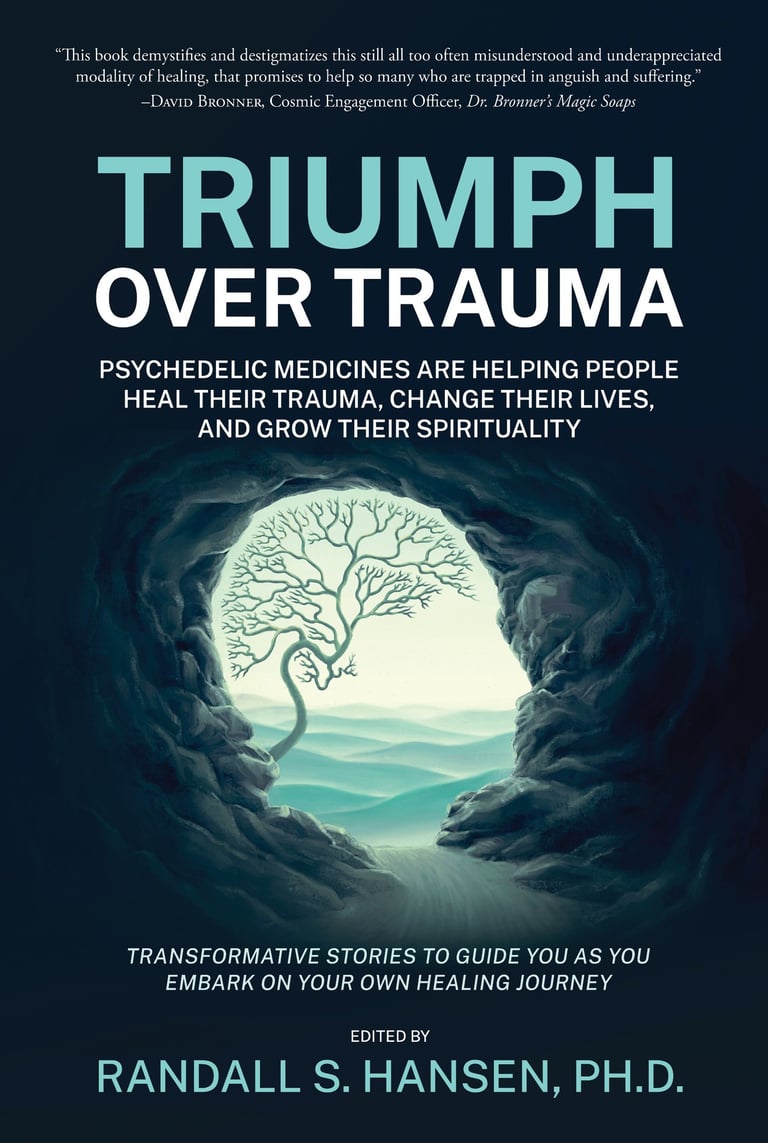
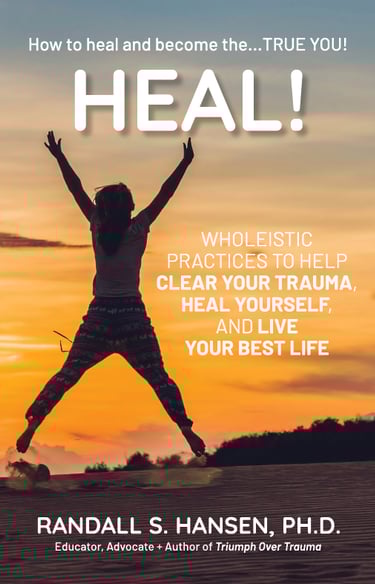
He is the author of the groundbreaking Triumph Over Trauma: Psychedelic Medicines are Helping People Heal Their Trauma, Change Their Lives, and Grow Their Spirituality and the well-received HEAL! Wholeistic Practices to Help Clear Your Trauma, Heal Yourself, and Live Your Best Life.
The third book in the Wholeistic Healing Trilogy is the game-changing The HEALing Revolution Diet: A Science-based Approach to Heal Your Gut, Reverse Chronic Illnesses, Lose Weight, Clear Your Mind, and Increase Longevity.
Dr. Hansen's focus and advocacy center around true health and healing journeys that results in being able to live an authentic life filled with peace, joy, love. Learn more by visiting his personal Website, RandallSHansen.com. You can also check out Dr. Randall Hansen on LinkedIn.
Expert advice on ways to make your life healthier, simpler, better, more fun!