The Importance of Becoming Your Own Wellness Advocate

With so much conflicting and outdated health and wellness information, it has become critical to ask better questions and take a more active role in your care.
Chances are pretty high that you have had at least one confusing, frustrating, or dismissive healthcare experience, which raises several questions:
Are you satisfied with the wellness advice you are getting from your current healthcare providers?
Have you ever questioned the medical advice provided by your doctors?
Have you experienced moments when your concerns were being dismissed or had the feeling that you were not being heard?
What wellness advice do you currently follow?
Are you truly in control of your health -- or are you relying too much on others, whether healthcare professionals, health coaches, or wellness influencers?
Today, we have more tools than ever – healthcare professionals, scholarly research, trusted wellness experts, and yes, even AI -- to help us become more informed participants in our own care.
Remember, too, that you are the expert on your body, having lived in it your entire life.
This article reviews the benefits of being your own wellness advocate, how to start becoming your own advocate, the common obstacles people face on the road to becoming their own advocate, and two wellness case studies that may convince you to be your own advocate.
Benefits of Becoming Your Own Wellness Advocate
Improved Physical Health and Healthspan: By learning about the latest in health and nutrition and implementing those ideas and strategies, you will gain improved personal health, increased energy, reduced inflammation, better sleep, and a stronger immune system.
Enhanced Mental Well-Being: By focusing on learning about healing from the past and improving mental health, you will gain more confidence, strengthen your mental health, boost emotional resilience, reduce anxiety and depression, and nurture a more positive outlook on life.
Enhanced Quality of Life. By making personalized wellness choices, you invest in your future well-being and reduce the risk of chronic illnesses such as diabetes, heart disease, and depression.
Better Relationships: By embracing wellness and caring for yourself, your relationships with others can also improve, because a healed and healthier you leads to stronger connections with loved ones, both new and old.
Cost Savings. By focusing on prevention (e.g., diet, exercise, stress management, sleep), you will reduce the need for expensive treatments or medications down the line.
Being a Role Model for Others. When you talk about health and wellness with your community and advocate for your own wellness, you set an example for friends, family, and even colleagues, encouraging them to do the same.
How to Start Advocating for Your Wellness
Build Your Personalized Plan. Focusing on wellness and becoming your own advocate should not add to your stress levels, so build a plan that has several steps that you can accomplish over time. Becoming your own wellness advocate is not about perfection or becoming an expert overnight.
Educate Yourself About All Aspects of Health and Wellness. Learn about your body, common health concerns, and wellness strategies. Reliable sources include reputable wellness experts and authors, podcasts, and trusted professionals.
Understand and Track Your Health. Keep a journal, detailed notes, or a health app to monitor your physical and emotional state. Be intentional and mindful, and note symptoms, energy levels, sleep patterns, and moods.
Question Your Healthcare Providers. Don’t hesitate to ask your healthcare providers about diagnoses, treatment options, or alternatives. Example: “Are there diet and lifestyle changes I can try first?” and “I would like informed consent about this medication.”
Build a Support System. This could include a trusted healthcare provider, a wellness-focused friend group, online communities, or accountability partners who support your goals.
Common Obstacles to Becoming Your Own Wellness Advocate
Lack of Knowledge or Confidence. It can be daunting to sift through all the information, and even harder to know which sources are the best to trust and which ones have the most current wellness information. Finding the right doctor for your needs may also be hard to find.
Time and Resource Constraints. Finding the time to do the research can be extremely difficult. Furthermore, not everyone has the finances or even equal access to healthcare, nutritious food, safe exercise spaces, or clean environments.
Fear of Upsetting Healthcare Professionals. Over time and generations, many people have grown up believing that the doctor knows best. Thus, many people avoid speaking up in medical settings because they don’t want to “rock the boat” or be seen as “difficult.”
Cultural and Self-Limiting Barriers. We may feel we are unworthy of better treatment, perhaps even being told repeatedly to “just deal with it.”
Overwhelm and Burnout. No question that becoming your own wellness advocate will take time away from other pursuits. Researching treatments, tracking symptoms, advocating for yourself, and making lifestyle changes can feel exhausting and never-ending.
Lack of Support. When your friends, family, or community don’t prioritize wellness, you might feel alone in your efforts. Without encouragement or accountability, it’s easy to slip back into old habits, so remember to join or build a wellness community.
Case Studies For Why You Need to Be Your Own Wellness Advocate
If you’re wondering why this matters in real life, here are two examples that illustrate how easily important factors can be overlooked, and help convince you of the importance of becoming your own advocate.
Ben. He’s an older man who went to his doctor worried about his heart. After some tests, he was told to exercise more and switch to a Mediterranean diet… even though he repeatedly told the doctor he hated fish. He was also told to cut back on red meat, butter, and salt. Finally, he was prescribed a statin because his cholesterol was “a little high,” but there was no discussion of his triglycerides. Now here’s the part that surprised me — Ben eats three desserts every night: candy, a pastry, and a bowl of ice cream. His doctor suggested he might want to cut back on sugar, but didn’t explore it further or discuss insulin resistance or refined carbs.
In my view, this advice missed some critical factors. There’s growing evidence that triglycerides, insulin resistance, and overall metabolic health are key markers to consider. And while diet recommendations can be helpful, they should be personalized — not one-size-fits-all. Furthermore, the Mediterranean diet is overrated and over-recommended… if anything, it is the Mediterranean lifestyle that should be adopted, not just the diet.
Cara. She’s a woman in her 50s who drinks very sugary iced tea (“sweet tea”) daily and was told it was fine — even with a family history of diabetes. Both she and her doctor believed genetics meant her outcome was inevitable, regardless of her choices. Her doctor prescribed a GLP-1 medication and told her to monitor her blood sugar levels. But here is what the doctor missed. Genetics is only part of the picture. Lifestyle — especially sugar intake — plays a major role.
Many doctors received limited training on the long-term effects of refined sugars, particularly fructose. A more helpful approach might include reducing sugary drinks significantly while prioritizing movement and daily habits. Medications like GLP-1s may have a role, but they should rarely be used as a first step; more as a last resort.
Final Thoughts About Becoming Your Own Wellness Advocate
While any person can be unheard and ignored – or even dismissed – by healthcare professionals, it is more common with women patients, which should simply encourage you even more to become your own advocate – because no one is going to care more about your health and wellness than you.
Over time, those small steps can transform how you experience your health… and your life.
Additional Resources for Becoming Your Own Wellness Advocate
If you want to go deeper into wellness advocacy, here are some excellent resources:
Dr. Randall Hansen is an evangelist, educator, and thought-leader... helping the world heal from past trauma and the poor food system. He is founder and CEO of EmpoweringSites.com, a network of empowering and transformative Websites, including EmpoweringAdvice.com.
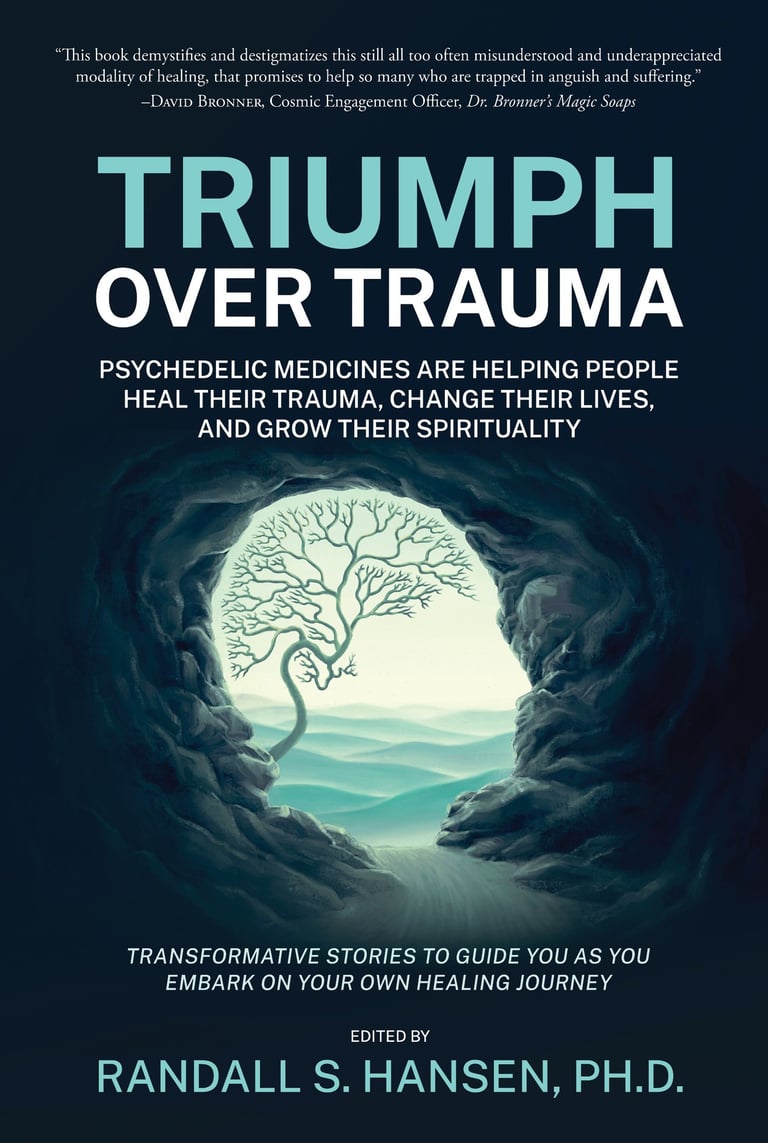
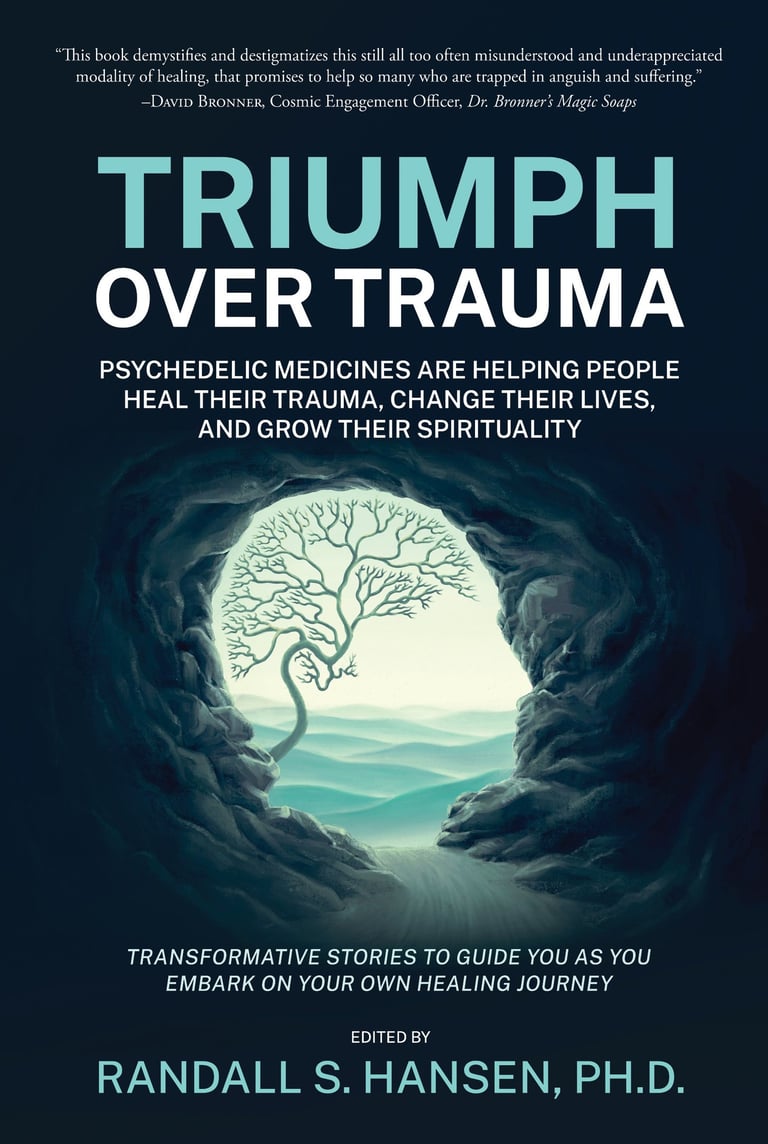
He is the author of the groundbreaking Triumph Over Trauma: Psychedelic Medicines are Helping People Heal Their Trauma, Change Their Lives, and Grow Their Spirituality and the well-received HEAL! Wholeistic Practices to Help Clear Your Trauma, Heal Yourself, and Live Your Best Life.
The third book in the Wholeistic Healing Trilogy is the game-changing The HEALing Revolution Diet: A Science-based Approach to Heal Your Gut, Reverse Chronic Illnesses, Lose Weight, Clear Your Mind, and Increase Longevity.
Dr. Hansen's focus and advocacy center around true health and healing journeys that results in being able to live an authentic life filled with peace, joy, love. Learn more by visiting his personal Website, RandallSHansen.com. You can also check out Dr. Randall Hansen on LinkedIn.
Expert advice on ways to make your life healthier, simpler, better, more fun!