Our Public Libraries: America's Most Underrated Wellness Centers

Discover why public libraries are far more than places to borrow books. Learn how libraries support wellness, lifelong learning, social connection, health literacy, and stronger communities, especially in rural America.
Healthy communities require more than medical clinics, schools, police and fire protection, places of worship, and local businesses. They also need welcoming places where people can learn, connect, contribute, and belong. Public libraries quietly fulfill all of these roles.
In the U.S., public libraries logged approximately 869 million in-person visits in 2024 across 17,580 facilities, serving more than 155 million registered users nationwide, according to a recent analysis of 15 years of public library data by the Freckle Project.
Those numbers make libraries one of the most heavily utilized public institutions in America, despite often being overlooked in discussions about their importance in relation to community health and well-being.
I should acknowledge upfront that I am a lifelong admirer of libraries and the librarians who make them possible. Ever since I was a child and my mom would take me to the library, I was hooked. But it was really in my graduate program that I learned to love libraries and the vast access to resources I needed to complete my studies. More recently, living in a rural community, I have witnessed the power of my local library as an anchor for a community that does not have a lot of other resources.
When people think about libraries, many still picture shelves of books. Yet today's public library offers much more: internet access, job-search assistance, adult and children's programming, meeting spaces, educational resources, technology support, community resource-lending programs, and a place for community connection.
Public libraries are not merely buildings filled with books. They are community wellness centers, educational hubs, and one of democracy's most accessible institutions. At a time of increasing division, isolation, misinformation, and economic uncertainty, libraries strengthen both individual well-being and civic life. Libraries are becoming high-engagement community life centers – especially in rural towns and communities.
In fact, in many rural communities, the library may be the only free public gathering place available year-round. It often functions simultaneously as a technology center, educational resource hub, community meeting space, and gateway to government and health services.
Public libraries are among the few remaining institutions that:
Serve everyone regardless of income.
Foster social connection and reduce isolation.
Support lifelong learning.
Provide trusted information.
Encourage civil discourse.
Promote opportunity without regard to politics, religion, age, or background.
Libraries as Wellness Centers
Public libraries support multiple dimensions of wellness. They foster intellectual wellness through lifelong learning, social wellness through connection and community, emotional wellness through safe and welcoming spaces, occupational wellness through job-search assistance and skills training, and even physical wellness through health education and lending programs that encourage activity.
Here are just some of the ways that libraries serve as wellness centers:
A Place to Just Be: Libraries are inclusive environments for people of all ages and backgrounds, and serve as centers for people to be themselves, whether that is quiet reading, deep researching, or chatting with others.
A Welcoming Place for Combating Isolation/Loneliness. In an era that many public health experts describe as a loneliness epidemic, libraries provide one of the few remaining free places where people can gather, interact, and feel connected to their communities.
Psychological and Emotional Lift: Libraries provide patrons with feelings of comfort, joy, discovery, inspiration, enrichment, connection, care, support, knowledge, reflection, purpose, and productivity – and the positive impact is highest among residents in lower-income and rural neighborhoods.
Finding Help With Digital Literacy: Research highlights the role of libraries in promoting digital skills and literacy in modern society.
A Health Literacy Hub: According to Pew Research Center data cited by the San Jose State University School of Information, 73 percent of Americans view libraries as important resources for finding health information, and 42 percent of library computer users use them specifically for health-related research.
Active Learning and Living: Many branches now lend out much more than books, including items that promote physical and mental health, such as medical devices, kitchen apparatus, musical instruments, gardening equipment, sports and outdoor gear, technology kits, and state park passes – in what is being called “The Library of Things.”
The Long History of Libraries and America’s Founders
Libraries are not only community wellness hubs, but they have a long and valued history in the United States. While modern tax-supported public libraries largely emerged in the nineteenth century, America's founders strongly embraced the ideals of self-education, access to knowledge, and informed citizenship that public libraries continue to promote today.
Some examples from specific founders:
Benjamin Franklin: Promoted shared book access early on, starting a club book pool in 1730 and founding the Library Company of Philadelphia in 1731.
Thomas Jefferson: Advocated for broad access to books—including the idea of circulating libraries in counties—and linked knowledge to democracy.
James Madison: Emphasized that a popular government relies on popular information and the means to acquire it, arguing that an informed citizenry is vital to self-governance.
John Adams: Signed legislation in 1800 establishing the Library of Congress.
Final Thoughts on the Importance of Public Libraries for Our Well-Being
Public libraries are truly an investment that all property owners make with their taxes, and that investment and support should not be taken lightly or dismissed.
Yes, many families are struggling with rising costs, and taxpayers have every right to ask whether public dollars are being spent wisely.
The real question is not whether libraries cost money, but whether communities can afford to lose all the benefits, especially the wellness benefits, that public libraries provide.
This quote summarizes things nicely: “Public libraries – those enduring and adaptive positive institutions – provide us with information, inspiration, and connection for staying resilient in adversity and for imagining and creating more fulfilling lives and thriving communities.” -Dr. Martin E.P. Seligman
If it has been years since your last library visit, consider stopping by your local branch. You may discover far more than books. From wellness programs and technology assistance to educational workshops and community events, today's library remains one of the most valuable resources available in many communities.
Finally, if you were unaware, most public libraries are funded by local sources, primarily property taxes and levies, and almost nothing from state and federal sources.
Thus, the next time a library funding measure appears on your ballot, take a moment to consider not only the cost (which might only be an additional couple of dollars per month), but also the value that libraries provide. Few community institutions deliver such wide-ranging benefits for learning, connection, opportunity, and well-being.
Public libraries may be among the most overlooked and undervalued institutions in our communities, but they remain among the most important, especially in terms of community wellness.
Additional Readings Regarding Public Libraries, Democracy, and Wellness
Libraries & Well-Being: A Case Study from The New York Public Library
Promoting Wellbeing: How Libraries Can Make Communities Healthier
Rooted in Connection: Libraries Designing for Belonging and Community
Social Context for Health Literacy: Public Libraries as Health Hubs
Libraries Make Life Better—And Now We Have the Data to Prove It
Public Libraries Supporting Health and Wellness: A Literature Review
Freckle Project Releases New Report Examining 15 Years of US Public Library Use
Dr. Randall Hansen is an evangelist, educator, and thought-leader... helping the world heal from past trauma and the poor food system. He is founder and CEO of EmpoweringSites.com, a network of empowering and transformative Websites, including EmpoweringAdvice.com.
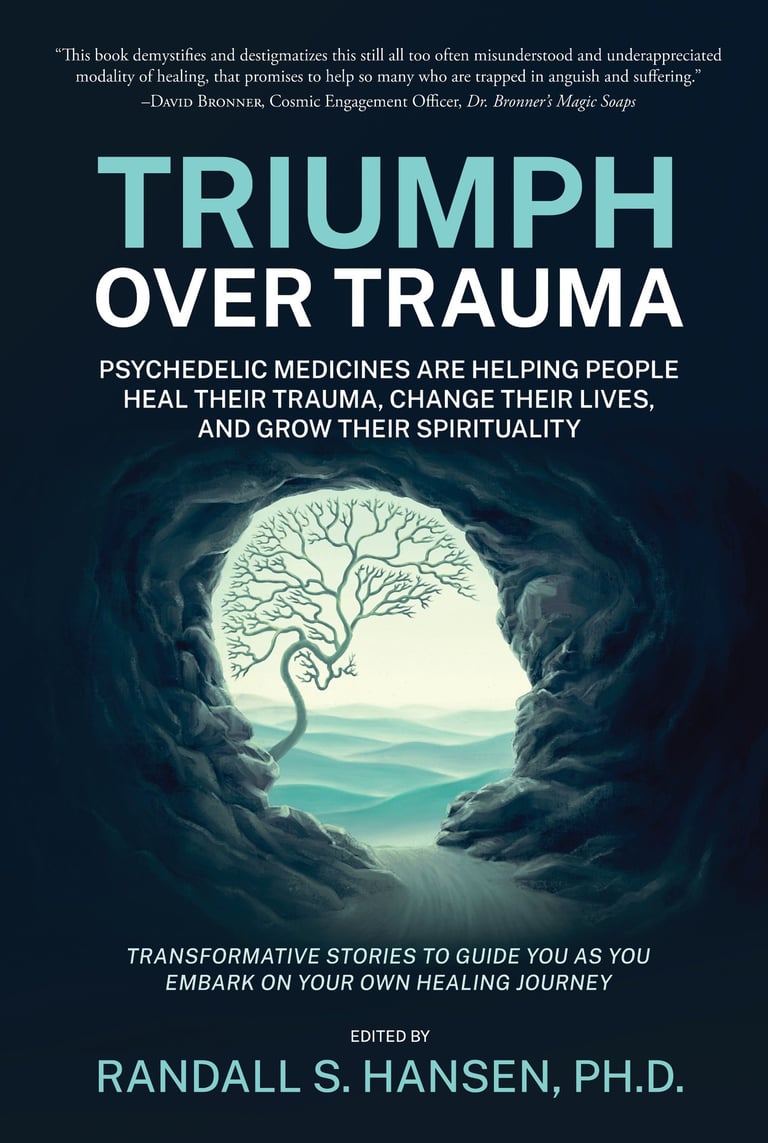
He is the author of the groundbreaking Triumph Over Trauma: Psychedelic Medicines are Helping People Heal Their Trauma, Change Their Lives, and Grow Their Spirituality and the well-received HEAL! Wholeistic Practices to Help Clear Your Trauma, Heal Yourself, and Live Your Best Life.
The third book in the Wholeistic Healing Trilogy is the game-changing The HEALing Revolution Diet: A Science-based Approach to Heal Your Gut, Reverse Chronic Illnesses, Lose Weight, Clear Your Mind, and Increase Longevity.
Dr. Hansen's focus and advocacy center around true health and healing journeys that results in being able to live an authentic life filled with peace, joy, love. Learn more by visiting his personal Website, RandallSHansen.com. You can also check out Dr. Randall Hansen on LinkedIn.


Expert advice on ways to make your life healthier, simpler, better, more fun!