
Feeling Overwhelmed? Causes, Signs, and Practical Ways to Regain Control

Feeling overwhelmed? Our busy lives and obligations can sometimes feel crushing, pushing us to the brink. Find expert strategies and solutions for restoring control.
If you’ve ever felt like there’s too much coming at you -- and you feel somewhat lost as to where to start sorting things -- you’re not alone.
That’s being overwhelmed.
And feeling overwhelmed isn’t just about being overly busy; it’s what happens when demands exceed our capacity to process, decide, and act clearly… and it becomes hard to cope with everyday tasks
Not to add to what you might be feeling right now, but you should know that living in a state of overwhelm is untenable, unsustainable, and harmful to wellness.
Unfortunately, several studies show that about a third of all adults report feeling completely overwhelmed by stress most days… So stressed that even simple tasks seem impossible.
Part of the problem is that we are living not only in a fast-paced world but also in one where we’re immersed in an endless stream of news and information. And information overload is linked to stress, exhaustion, and mental health strain.
But it is not just the pace and amount of information driving overwhelm. Technology, politics, culture, work, trauma, chronic stress, and coping systems that are often stretched beyond their limits are all pointing to a quiet but widespread crisis: people are becoming so overwhelmed that even basic health and self-care practices feel out of reach, let alone understanding the complexities of nutrition, exercise, and well-being.
But here’s the good news. Being overwhelmed isn’t a personal failure, it’s a predictable response to an overloaded environment. This article provides clear and straightforward ways to help you overcome the feelings (and freeze) of being overwhelmed.
You can begin to take back control of your life, take back control of your thoughts and emotions, and begin living life again rather than simply barely keeping afloat.
This article continues in three parts. First, signs that we are overwhelmed. Second, factors that are causing us to feel overwhelmed. Third, practical strategies for moving beyond overwhelm.
Signs and Symptoms of Being Overwhelmed
Recognizing some of the signs of being overwhelmed might help see it and yourself more clearly – and the first step in reducing the load and working toward mental peace and well-being.
Overwhelm doesn’t look the same for everyone, but there are common signs that your mind and body may be under too much strain:
Constantly Irritated or Frustrated. This is not the occasional slamming of your hand on the desk or biting someone’s head off; it’s about constantly feeling on edge.
Pessimistic and Helpless. These feelings often result in also feeling powerless to do anything about the situation.
Overreacting to Most Situations. When even minor irritants, such as misplacing your wallet or keys, set off a ballistic or over-the-top reaction.
Pessimism Rules. You can rarely see the good in things and people, and everything feels tainted or broken.
Appetite Changes. Your eating patterns and food choices change; oddly, it can be from one extreme to the other: either loss of appetite or the complete reliance on comfort foods.
Sleep Changes. It may feel as though your mind and body cannot find the “sleep” switch, and your sleep becomes inconsistent, fitful, unhealthy. In other situations, you find yourself craving sleep (and avoidance). Other times, you seek sleep for avoidance.
Decision-Making Abilities Begin to Suffer. Your judgment may become clouded and you may face “decision paralysis,” where uncertainty and doubt stop you from moving forward.
Headaches, Stomach Aches, and Physical Pain. When negative physical symptoms arise from simply thinking about the day and the decisions you may have to face.
Withdrawal From Favorite People and Things. You eliminate visiting with loved ones and avoiding the things that used to give you joy (often under the guise of not having enough time).
Factors Leading to Being Overwhelmed
Work and Financial Stress. Work is the most commonly mentioned factor, including job dissatisfaction, concerns about job security, and overtime and/or long hours. Financial stress relates to economic uncertainties, unexpected financial hardships, and looming debt.
Information Overload. Our devices and screens are constantly demanding our attention, including a barrage of news, notifications, and social media.
Unresolved Trauma Wounds. Most of us have experienced trauma and traumatic events in our lives, with much of it “swept under the rug,” and ignored, all the while simmering beneath the surface.
Poor Health, Wellness, and Nutrition. Our wellness bad habits, including an unhealthy convenience food diet, poor sleep, lack of exercise, and chronic health issues or pain.
Lack of Control or Autonomy. When we have feelings of being powerless in our personal or professional lives.
Limited Work-Life Balance. As job demands increase and the boundaries blur between work and personal time (e.g., always being “on” or working from home).
Social and Emotional Factors. Having a sense of a lack of support (including loneliness), as well as relationship conflicts and strains.
Global and Societal Pressures. The pressure from feeling economic instability, climate change, and political uncertainty.
Decision Fatigue. Feeling overwhelmed with having too many choices or responsibilities without clear priorities.
Strategies For Putting Overwhelmed Behind You
Understanding what’s driving overwhelm is important, but what matters most is how we begin to respond to it.
Remember, though, that you don’t need to do all of these strategies at once. Just start with one or two of these strategies and monitor for any shift in how you feel.
Here are evidence-based strategies to reduce overwhelm, grounded in research and practical approaches:
Prioritize and Simplify. Start with learning to triage and prioritize decisions and tasks, as well as limiting commitments and non-essential tasks. Saying “no” can be a powerful tool here. Finally, consider a framework to help you, such as the 1-3-5 Rule: Each day, pick 1 big task, 3 medium tasks, and 5 small tasks to focus on. This prevents overloading your to-do list and creates a sense of control.
Break Tasks into Smaller Steps. New assignments can seem impossible and unmanageable when they are first assigned, but almost every task can be broken down into tiny, actionable steps (e.g., “start document” instead of “write report”) to reduce mental resistance.
Nutrition and Hydration. While the normal reaction might be to reach for convenient comfort food when feeling overwhelmed, instead, focus on eating more whole, nutrient-dense real foods (a mix of protein, fats, and fiber that work for you) while avoiding refined sugars and carbs. Watch hydration – and focus on healthy beverages that are not sugar-laden.
Manage Information and Distractions. The simplest thing to do here is set very clear boundaries for notifications, emails, and social media. Try time-blocking (e.g., checking messages only at specific times). Stop trying to multitask, as there is no such thing; we can only task-switch – and every time we do, we lose focus.
Physical and Mental Reset. Partaking in short bursts of movement (what I call exercise snacks) every hour is a great way to not only clear your mind, but also help with your health. Commit to 15 minutes (or longer if you have the time) to just sit in nature. Finally, fix your sleep hygiene, prioritizing 7-9 hours of consistent, quality sleep.
Reframe Your Mindset. Start each day with an affirmation or prayer that you are going to have a great day. If you are a perfectionist, it’s time to work on changing that and accepting that we are human and none of us are perfect. Another great tool is practicing gratitude by taking a few minutes each day to review the positive things in your life.
Build Support Systems. Having community – a support system of friends, family, and colleagues – provides you with the opportunity to share and release some of those feelings. Of course, you can also reach out to your community for help and assistance.
Create Routines and Boundaries. Block out time in the morning and evening for calm and self-fulfilling activities (such as journaling, walking, playing with a pet). One of the biggest self-care gifts you can give yourself is setting boundaries and protecting your time and emotions.
Cognitive Restructuring of Tasks. Not everything we encounter has to be completed this second – or completed at all, and with this strategy, the goal is asking questions such as: “Is this task truly urgent?” and “What’s the worst that could happen if I don’t do this now?” or “Can I let go of this?”
Seek Professional Help. Oftentimes, we cannot solve our struggles by ourselves and we should seek professional assistance to provide the tools we need. If overwhelm feels unmanageable, consider therapy or coaching.
Final Thoughts About Overcoming Overwhelm
In today’s fast-paced and dynamic culture, it’s not surprising that many of us feel overwhelmed, stuck, worried, and even frozen in place.
Additionally, studies indicate that poor nutrition and overwhelm can create a cycle where low mood and stress reinforce each other, further limiting the ability to make healthier decisions
Overwhelm can make it hard to focus on self-care and healthier choices.
The good news is we can begin to break this cycle with some of the ideas and suggestions in this article – as well as the additional resources listed below.
Overwhelm may feel all-consuming, but it doesn’t have to define your days or your future.
With small, intentional changes -- and a better understanding of what your mind and body are experiencing -- you can begin to restore clarity, balance, and a sense of control.
Above all, treat yourself with love, kindness, and patience. You’re not failing; you’re responding to a very demanding and stimulating world.
Additional Sources Related to Overwhelm and Stress
Dr. Randall Hansen is an evangelist, educator, and thought-leader... helping the world heal from past trauma and the poor food system. He is founder and CEO of EmpoweringSites.com, a network of empowering and transformative Websites, including EmpoweringAdvice.com.
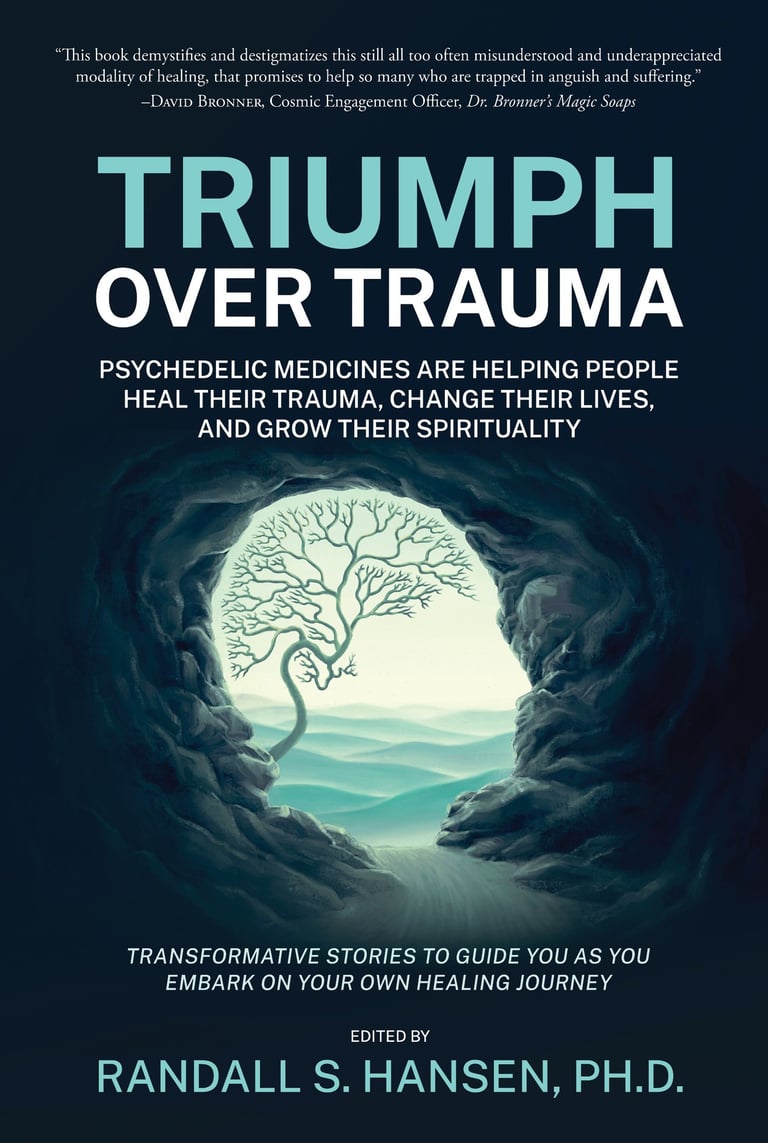
He is the author of the groundbreaking Triumph Over Trauma: Psychedelic Medicines are Helping People Heal Their Trauma, Change Their Lives, and Grow Their Spirituality and the well-received HEAL! Wholeistic Practices to Help Clear Your Trauma, Heal Yourself, and Live Your Best Life.
The third book in the Wholeistic Healing Trilogy is the game-changing The HEALing Revolution Diet: A Science-based Approach to Heal Your Gut, Reverse Chronic Illnesses, Lose Weight, Clear Your Mind, and Increase Longevity.
Dr. Hansen's focus and advocacy center around true health and healing journeys that results in being able to live an authentic life filled with peace, joy, love. Learn more by visiting his personal Website, RandallSHansen.com. You can also check out Dr. Randall Hansen on LinkedIn.


Expert advice on ways to make your life healthier, simpler, better, more fun!