
Empowering Reading: Reparenting the Inner Child Book Review
A Review of Reparenting the Inner Child: The New Science of Our Oldest Wounds and How to Heal Them, by Dr. Nicole LePera. 2026. ISBN: 1250393132
How is your inner child? Do you ever think of him or her – or have you left them behind? Your inner child is the subconscious part of you that reflects the values and beliefs we developed in childhood and holds childhood emotions, memories, and unmet needs. Understanding your inner child is important because it influences your adult reactions and behaviors.
The experiences we live through in childhood often have a powerful and unseen influence on how we live our lives as adults, and this comprehensive and thought-provoking book not only explains the process but also includes extremely helpful exercises to help heal those deeply held beliefs and trauma wounds.
For example, as the youngest of four boys in a busy and often unstable household, I learned to embrace my invisibility, developing hiding places both inside and outside where I could escape and soothe my nervous system. But as an adult, if I did not heal this wound, I would still be hiding behind masks rather than embracing my individuality – and I did hide behind multiple masks for years before starting my healing journey.
The author writes: “While we can’t rewrite the past, we can change the way we meet the needs of our inner child – that part of us that still holds our early emotional wounds and unmet longings. This process is called reparenting: the practice of giving yourself the nurturance, boundaries, and care you may not have received growing up.”
If you’re struggling with emotions, triggering events, and other confusing behaviors, it may be due to events from your childhood that have been ingrained into your adult brain and nervous system. This is not your fault. These patterns often develop as adaptations to circumstances beyond your control – but these trauma-developed patterns do not need to rule your life.
That is where this book, Reparenting the Inner Child, comes in. This book is about healing at the root. I sincerely recommend the book and want to encourage anyone who recognizes themselves as having a child wound to utilize the expert advice, resources, and exercises the author includes. The reflection exercises throughout the book are fantastic and help guide your inner child work.
Why do the work? (And believe me, healing is work.) Dr. LePara writes: “Reparenting gives us the capacity to feel safe in our own skin, to regulate our emotions instead of being ruled by them, to build relationships rooted in honesty and trust, and to finally experience a sense of belonging that isn’t dependent on others. It opens the door to choice, to joy, and to the freedom of responding to life in real time rather than repeating the past.”
The book is divided into four parts, including 10 chapters. Part 1 focuses on the inner child; part 2 explores the impact of the environment; part 3 discusses the scars we carry from childhood; and part 4 addresses reparenting and integration.
I especially loved the chapter discussing the impact of our parents and their ancestors on our well-being. “You didn’t just inherit your parents’ eye color or hair texture, you may also have inherited their stress responses, including their physiological reactions to anger and their learned survival habits.” Also, did you know that women are born with all their all their eggs, meaning your mother’s eggs developed while she was a fetus in your grandmother’s womb, which gives biological support to the idea that we all carry intergenerational trauma (or what the author calls transgenerational trauma).
Speaking on the depth of emotional wounds, which often get discounted because they cannot be seen, the author states: “Emotional wounds… are not visible, but they are just as real, stored in our nervous system and wired into neural pathways of our brain. Just like physical injuries, they need care and attention. But, too often, they go unacknowledged and untended.”
Most of us do not go unscathed from childhood wounds, so you likely have wounds that have not been addressed/healed. Here are some examples from the book:
If you experienced abandonment in childhood, you might panic or shut down when someone seems emotionally distant.
If you were criticized, shamed, or bullied, even gentle feedback might feel like an attack.
If you went hungry as a child, feeling hunger now might activate anxiety or fear.
If you experienced verbal, emotional, or physical abuse in childhood, things like a raised voice, someone crying, or sudden movement can feel threatening.
If you experienced sexual abuse in childhood, then arousal or intimacy can feel unsafe, triggering fear, confusion, or distress.
One of the strongest pages in the book is a chart detailing the various types of childhood wounds coupled with the core childhood experience, the internalized belief, and the dysfunctional adult pattern. The nine wounds include: “distrust, abandonment, rejection, humiliation, over responsibility, scarcity, rebellion, powerless, and injustice.”
One of the most powerful chapters is the one titled “Shadow of Shame.” The author writes: “At its core, shame is the internalization of rejection. Somewhere along the way, your authentic self was met with disapproval, neglect, criticism, or punishment. A part of you learned it wasn’t safe to be fully you. So you adapted.”
You may not even realize that you feel shame because these beliefs get held so deeply. But shame does show up in the ways we have learned to cope and protect ourselves. These coping mechanisms, according to the author, include:
People-pleasing
Avoidance or denial
Isolation or withdrawal
Projection or deflection
Body consciousness
Overcompensation
Secrecy or dishonesty
Controlling behavior
Defensiveness or aggression
Self-harm
Now that readers understand trauma, shame, and coping strategies, it is time to move on to reparenting, which is giving yourself the care and support you have always deserved. The author writes, “Reparenting is a total tool for healing because it engages the body and mind together to revisit and rewire patterns from our past.”
The book then goes on to discuss the five core practices that support the reparenting process:
Acknowledge and accept the past.
Quiet your inner critic.
Validate your experiences.
Practice compassion and patience.
Nurture yourself.
The second-to-last chapter is about becoming whole – moving from being disconnected from ourselves or parts of ourselves to becoming our true and complete selves. “To put it simply, true healing comes not from becoming someone else, but from welcoming every part of who we’ve been.”
Some final words of wisdom from the author: “Trauma doesn’t just leave scars. It reshapes how we see ourselves. It can narrow our world, silence parts of us, or force us into roles we never wanted. Healing asks us to slowly gather those pieces again, to make space for who we’ve been and who we’re still becoming.”
Final Thoughts About Reparenting The Inner Child
We can’t go back in time and stop whatever happened to us in our childhoods, but we can change how we, as adults now, understand what happened to us. If we want to live our best lives, we need to integrate these old wounds in order to transform the coping strategies that once protected us – but which often no longer serve us.
It’s clear when looking at the news – or even social media – that a lot of people are living their lives negatively affected by unresolved childhood trauma. This book can be the key that helps you unlock those wounds, heal them, and grow into your authentic, whole self.
If you've ever wondered why certain situations trigger strong emotional reactions, why some relationships feel difficult, or why certain patterns keep repeating in your life, Reparenting the Inner Child offers both understanding and practical tools for healing. I highly recommend it.
The author is a holistic psychologist who has also written two other books: How to Do the Work and How to Be the Love You Seek.
Find more book reviews and advice for living a happy, healthy, and healing life here.

Dr. Randall Hansen is an evangelist, educator, and thought-leader... helping the world heal from past trauma and the poor food system. He is founder and CEO of EmpoweringSites.com, a network of empowering and transformative Websites, including EmpoweringAdvice.com.
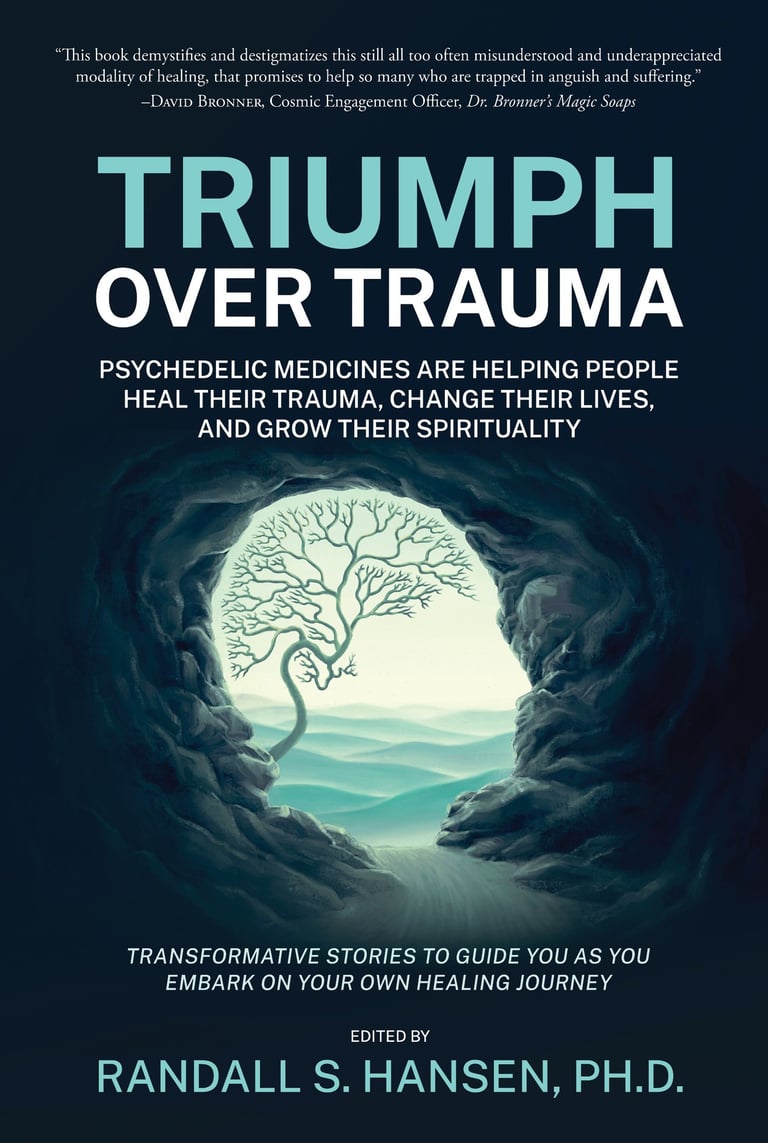
He is the author of the groundbreaking Triumph Over Trauma: Psychedelic Medicines are Helping People Heal Their Trauma, Change Their Lives, and Grow Their Spirituality and the well-received HEAL! Wholeistic Practices to Help Clear Your Trauma, Heal Yourself, and Live Your Best Life.
The third book in the Wholeistic Healing Trilogy is the game-changing The HEALing Revolution Diet: A Science-based Approach to Heal Your Gut, Reverse Chronic Illnesses, Lose Weight, Clear Your Mind, and Increase Longevity.
Dr. Hansen's focus and advocacy center around true health and healing journeys that results in being able to live an authentic life filled with peace, joy, love. Learn more by visiting his personal Website, RandallSHansen.com. You can also check out Dr. Randall Hansen on LinkedIn.
Expert advice on ways to make your life healthier, simpler, better, more fun!