Empowering Reading: Greater Than Gravity Book Review
A review of Greater Than Gravity: How Childhood Trauma is Pulling Down Humanity, by Michael J. Menard. 2026. ISBN: 978-1968559021
Be prepared to be triggered, disturbed, challenged, and ultimately inspired by this powerful and much-needed book.
What if childhood trauma is one of the profound, largely overlooked forces contributing to many of the chronic diseases and behaviors we typically blame on diet, inactivity, stress, and poor sleep?
What if the true root cause of so many preventable heart attacks, strokes, diabetes, dementia, and cancer comes not from lifestyle issues, but from childhood trauma?
What if the cause of millions of preventable deaths was something deeply insidious and often invisible?
Author Mike Mendard makes the case in Greater Than Gravity that childhood trauma is the root cause of so much adult suffering and death. In fact, he states that childhood trauma is “killing 1,401 Americans every day… nearly six children and 1,395 adults die daily from the consequences of childhood trauma – either immediately or decades later when their bodies can no longer bear the biological burden of their earliest experiences.”
“Childhood trauma casts a long shadow over the human experience, and much of the pervasive sadness, loneliness, depression, anxiety, addiction, crime, and illness that afflict our society can be traced to its often-hidden wounds,” the author states.
What if unhealed wounds from our childhoods are the reason many people gobble down foods they know are unhealthy for them, spend their days inside and sedentary, and live lives of quiet desperation, some completely unaware of their wounds?
There is no question that childhood trauma is a plague facing many populations, and Greater Than Gravity seeks to be more than a book that simply describes the phenomenon. Menard wants it to become a catalyst for action, helping those already suffering while building a movement focused on prevention.
Believe me when I say there would be no better change in the world if we could eliminate the abuse of children, because the child brain has no way to understand nor process the trauma wound, and the impact lasts a lifetime.
Like Menard, I experienced trauma in childhood, and that shared experience made parts of this book especially personal for me. Those who carry wounds from childhood will recognize many of the truths he describes.
The book is divided into three sections:
Book 1: The Crisis
Book 2: The Path Behind & The Road Ahead
Book 3: A Proclamation for Change
In Book 1, the author lays out his argument and presents facts and figures to support his thesis: it is time to hit the panic button and come together to understand, reduce, and ideally eliminate the devastation caused by childhood trauma.
“Childhood trauma is the hidden epidemic that weighs heavily on the hearts and minds of billions of individuals, leaving scars that often linger long into adulthood.”
He states that, depending on the research, anywhere from 64 to 85 percent of all adults have experienced childhood trauma. Sadly, there is a cycle of generational trauma, with research showing that about 40 percent of people who experience childhood trauma go on to neglect or abuse their own children.
The three main outcomes from childhood trauma include:
Mental Health Conditions
Medical Conditions
Social/Risky Behaviors
Menard also cites research suggesting that for the millions of adults who experienced four or more adverse experiences in childhood – those who experienced some of the most severe trauma – die an average of 20 years earlier than those who did not experience it.
“… childhood trauma quietly destroys more lives than cancer, claims more victims than accidents, and costs more than our entire defense budget.”
Menard makes the case that all of the major mental illnesses can be linked to early traumatic experiences, including: post-traumatic stress disorder, depression, anxiety, borderline personality disorder, dissociative disorders, substance use disorders, reactive attachment disorder, OCD, eating disorders, ADHD, hopelessness, loss of imagination, and suicidality.
The author also makes the case for childhood trauma impacting key physical disorders and illnesses, including: chronic pain syndromes, autoimmune disorders, cardiovascular issues, gastrointestinal disorders, respiratory problems, obesity and eating disorders, sleep disorders, chronic fatigue syndrome, and liver disease.
One of the interesting proposals the author suggests for helping people find healing is to use churches, where large numbers of people gather weekly, many seeking healing from God. Menard suggests that churches form partnerships with outside Christian professional counselors who would be made available for talk therapy.
It is a promising idea, although I wish Menard had more fully addressed an important complication: some survivors of childhood trauma are those whose trauma occurred within religious environments themselves. For those individuals, a church may not initially feel like a safe place for healing.
The good news is that for those of us who recognize that we are victims/survivors of childhood trauma, the author reinforces that there are multiple tools for finding healing, from self-care practices to meditation to therapy, and even psychedelics. (Kudos to Menard for including psychedelic-assisted approaches among the emerging tools being explored for trauma healing.)
Final Thoughts About Greater Than Gravity
At its heart, Greater Than Gravity is both a sweeping exploration of the depth and consequences of childhood trauma and an impassioned call to action… and the establishment of a movement.
Personal anecdotes and stories humanize the research, helping readers understand that behind every statistic is a life shaped by experiences that began long ago.
Let me leave you with this haunting quote: “They walk among us every day – millions of souls carrying invisible wounds that bleed in public spaces while the world looks away. In back alleys, behind prison walls, in psychiatric wards, and in the darkest corners of our cities, childhood trauma has created an army of the unseen.”
Menard finishes this powerful book with not only hope – but a call to action. Menard states: “Ending childhood trauma must be our unwavering goal.”
To help accomplish this seemingly impossible goal, the author has created an organization called United Against Childhood Trauma (UACT), which has as its focus: awareness, healing, and prevention.
Greater Than Gravity is a tour de force that needs to be recognized, read, and acted upon.
We all have a role to play in helping stop the neglect and abuse of our children.
Finally, perhaps the most important message readers can take from this book is that childhood trauma does not have to become a life sentence, haunting us our entire lives. We cannot change what happened to us as children, but healing can change what happens next – and that hope for a better life is everything. The author is proof of this. I am proof of this. You can be proof of this.
Find more book reviews and advice for living a happy, healthy, and healing life here.


Dr. Randall Hansen is an evangelist, educator, and thought-leader... helping the world heal from past trauma and the poor food system. He is founder and CEO of EmpoweringSites.com, a network of empowering and transformative Websites, including EmpoweringAdvice.com.
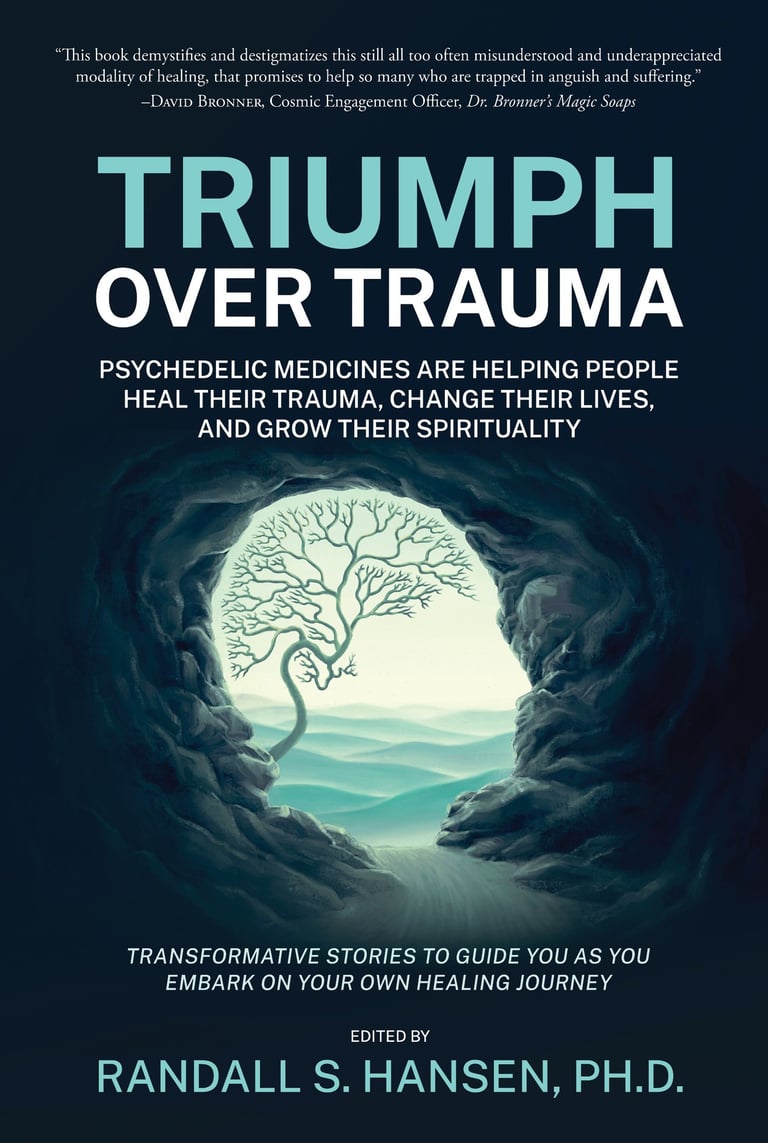
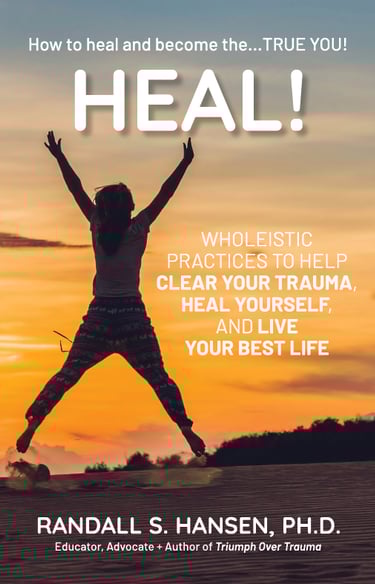
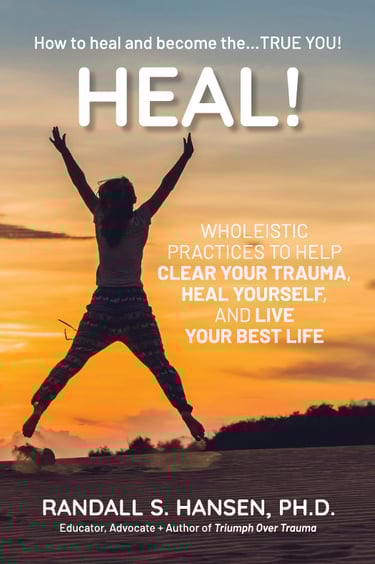
He is the author of the groundbreaking Triumph Over Trauma: Psychedelic Medicines are Helping People Heal Their Trauma, Change Their Lives, and Grow Their Spirituality and the well-received HEAL! Wholeistic Practices to Help Clear Your Trauma, Heal Yourself, and Live Your Best Life.
The third book in the Wholeistic Healing Trilogy is the game-changing The HEALing Revolution Diet: A Science-based Approach to Heal Your Gut, Reverse Chronic Illnesses, Lose Weight, Clear Your Mind, and Increase Longevity.
Dr. Hansen's focus and advocacy center around true health and healing journeys that results in being able to live an authentic life filled with peace, joy, love. Learn more by visiting his personal Website, RandallSHansen.com. You can also check out Dr. Randall Hansen on LinkedIn.
Expert advice on ways to make your life healthier, simpler, better, more fun!