
Conquering Your Quarter-Life Crisis With Grace

A quarter-life crisis is a period of soul-searching and self-doubt that often arrives in your mid-20s and early 30s, triggered by questions around career, relationships, and identity.
A 27-year-old college graduate working as a clerk in a retail store seems like a missed opportunity for a better job – or perhaps someone transitioning to a new career – or, simply, someone trying to figure her life out during a period of life experts have identified as the quarter-life crisis.
It turns out that she got what she thought was the “perfect” job after graduating, only to discover about two years in that she hated almost everything about the profession, including the ridiculous hours and relatively low pay. She was taking a “career break” from the stress and anxiety she felt before deciding what direction she wanted her life to go… and the clerk job was about as difficult as she could handle until she got things back under control.
She was not a failure. She felt overwhelmed, confused, and angry. Her education was not being wasted, but her parents told her so. She was not prepared for the career she thought she wanted, which sent her into a tailspin… but she landed safely and was rethinking and reprioritizing almost everything in her life.
Later, after getting to know her better, she also divulged to me that she had experienced a date-rape in college that she tried to forget, never telling anyone in her family about the incident; she had simply packed up her things and moved on to college. Like many of us who have suffered abuse, she thought it was partly her fault and was too ashamed at the time to tell anyone, and she chose to just “move on.”
Welcome to the world of life in your twenties – that uncertain time of transitions from classrooms and teachers to work and bosses, from school friends to new relationships, from home or dorm to new living arrangements – and all that it entails. Becoming an adult can be both liberating and frightening, and every person handles it differently.
Numerous experts have identified a point in many people's young lives when they face anxiety and a sense of feeling adrift, lost, even angry. People change jobs, change careers, change lives. As identified in the early 1990s, this time of life is not a midlife crisis, but a quarter-life (or quarterlife) crisis.
Twentysomethings around the globe struggle with the transition from school to career – and not just to career, but to the “perfect” career. Research suggests that many young adults (as many as 75 percent) experience a period of uncertainty and self-doubt in their twenties and early thirties, often referred to as a quarter-life crisis.
Experts say that the crisis hits people in their 20s because, after years of learning the system of succeeding in school, graduates are thrown into the world of work with no real understanding of how to succeed in it. Others blame the way pop culture has portrayed work, giving younger workers unrealistic expectations.
Studies show that these emerging adults are working shorter tenures at multiple employers. Many are either going back to college or changing careers. Most feel overwhelmed with the plethora of options available to them – unlike their parents, who had more clear-cut career paths (and more loyal employers).
Certainly, whatever the causes, life is not what these young adults expected – or were prepared for. And pressure from families and others to "just get over it" seems to make matters worse.
While career uncertainty often sits at the center of a quarter-life crisis, many young adults are also wrestling with questions about relationships, finances, where to live, whether to start a family, and what gives their life meaning. These challenges are interconnected, which is why it is vital to view this period as a whole-life transition rather than simply a career problem.
Finally, please understand that social media can intensify a quarter-life crisis by creating the illusion that everyone else is succeeding faster than you. As you doom-scroll, remember that most people share their highlight reels – not their struggles, setbacks, or moments of doubt.
Symptoms of a Quarter-Life Crisis
Do you recognize yourself (or a loved one) in some of these quarter-life crisis symptoms?
Thinking that your life has no purpose
Fear of missing out (FOMO)
Experiencing a sense of being lost, misguided
Overly stressed from parent pressure to conform/grow-up
Hating your job and/or career choice
Feeling stuck (in work, life, love)
Presuming that you will not figure out your life
Being disillusioned
Thinking that everyone but you has figured out their lives
Feeling paralyzed when facing choices about your future
Struggling between being sensible and being wild and crazy
Believing that you are a failure at “adulting”
Suffering with chronic anxiety, depression
Quarter-Life Crisis Career Survival Strategies
Are you in your 20s? Are you having some of these feelings? Does the description fit you? If so, then this article is for you. Here are five strategies you can take to right yourself and get back on track for fulfilling your life and career dreams.
1. Develop realistic expectations. Unless you are extremely fortunate, you are unlikely to get the corner office, the multimillion-dollar salary, and the mansion in the suburbs while you are in your 20s. Life is not a sitcom or a reality show. Life is what you make it.
Develop a mentoring relationship with someone in your same profession (as well as other interesting professionals) and learn the steps it takes to make the kind of progression you hope to make.
Most lower-level jobs, especially entry-level ones, are where workers "pay their dues" by completing all the assignments that the senior employees don't want to do. You won't be assigned as account director for Thrive Market’s $50 million advertising campaign on your first job with The Martin Agency.
2. Take time to discover your passions. Many people get into a quarterlife crisis because they take the first job offer after college and embark on a series of wrong and unfulfilling jobs/careers. This situation is especially the case, it seems, for liberal-arts students who did not think about career choices while in school.
Spend some alone time conducting some serious self-assessment. What are your passions? What are the types of activities you love accomplishing? What do you dislike? What were some of your favorite subjects in school? What first inspired you about your college major(s)? Consider one or more assessment tests – here is a good collection of assortments to start that journey. Taking this time should start bringing clarity about your next steps in terms of career and education.
And beware that your passions may change as you experience more things and as you grow as a person.
3. Set goals and visualize your future. It does no good to have realistic expectations and an understanding of your passions if you do not have a plan for progressing in your career – and in your life.
Where do you see yourself in five years? What type of job do you envision? What type of life do you want?
Once you have the answers to those questions, develop some action steps to take during those five years to get you to – or close to – your goals.
4. Consider changing careers. One of the things you may find during this process is that your current career is not for you, and that's perfectly okay, even if you are on your fifth career since high school or college.
Most studies show that people change careers multiple times over the course of a lifetime – some as many as seven or more career changes.
If you are unhappy with what you currently do, if you dread going to work in the morning, if your work is causing you to be mentally or physically sick... then you must make a change.
The best way to make a career change is with a plan. A plan to gain initial experience in the field, get additional training or education, and expand your network.
5. Define success on your own terms. Many young adults have an overly materialistic definition of success. Do wealth and materialistic positions mean you're successful, or are you more focused on success as being fulfilled by your work?
Stop judging yourself by other people's standards, and develop your own. How do you define success? What gives you the most satisfaction and happiness? What gives your life meaning?
As you go about defining what success means to you, remember that many of the so-called trappings of success –- money, material possessions, etc. – are the results of success, not the definition of it.
6. Practice self-compassion. A quarter-life crisis can feel overwhelming and unbearable, especially if your friends and family don’t understand how (or why) you’re struggling.
This is your life, so do your best to block out the well-intentioned noise from others, and spend the time and effort to discover what you want in life – from career to relationships and everything in between.
Most importantly, be good to yourself. Practice self-care while you are working through this crisis. Remember to treat yourself with love, kindness, understanding, and acceptance – just as you would a loved one.
Final Thoughts on the Quarter-Life Crisis
Please remember that a quarter-life crisis is not a sign of failure; it’s actually a sign of growth and maturity.
In fact, it’s a normal – even necessary – part of growing into yourself. Focus on progress, not perfection: set small, meaningful goals, embrace uncertainty as part of the journey, and remember that your twenties and thirties are for exploration, not just achievement.
If you are looking for a bit of inspiration for your quarter-life experiences, please read Sophia’s Story: A Firsthand Account of a Quarter-Life Crisis in Action.
Finally, remember to seek support when needed, always stay curious, and trust that the confusion you feel now is shaping the clarity you’ll find later.
Last Thought: Sometimes the quarter-life crisis you’re experiencing is not a detour from your path... it is the path.
Quarter-Life Crisis Additional Resources
If you want to go deeper into quarter-life issues, here are some excellent resources:
Dr. Randall Hansen is an evangelist, educator, and thought-leader... helping the world heal from past trauma and the poor food system. He is founder and CEO of EmpoweringSites.com, a network of empowering and transformative Websites, including EmpoweringAdvice.com.
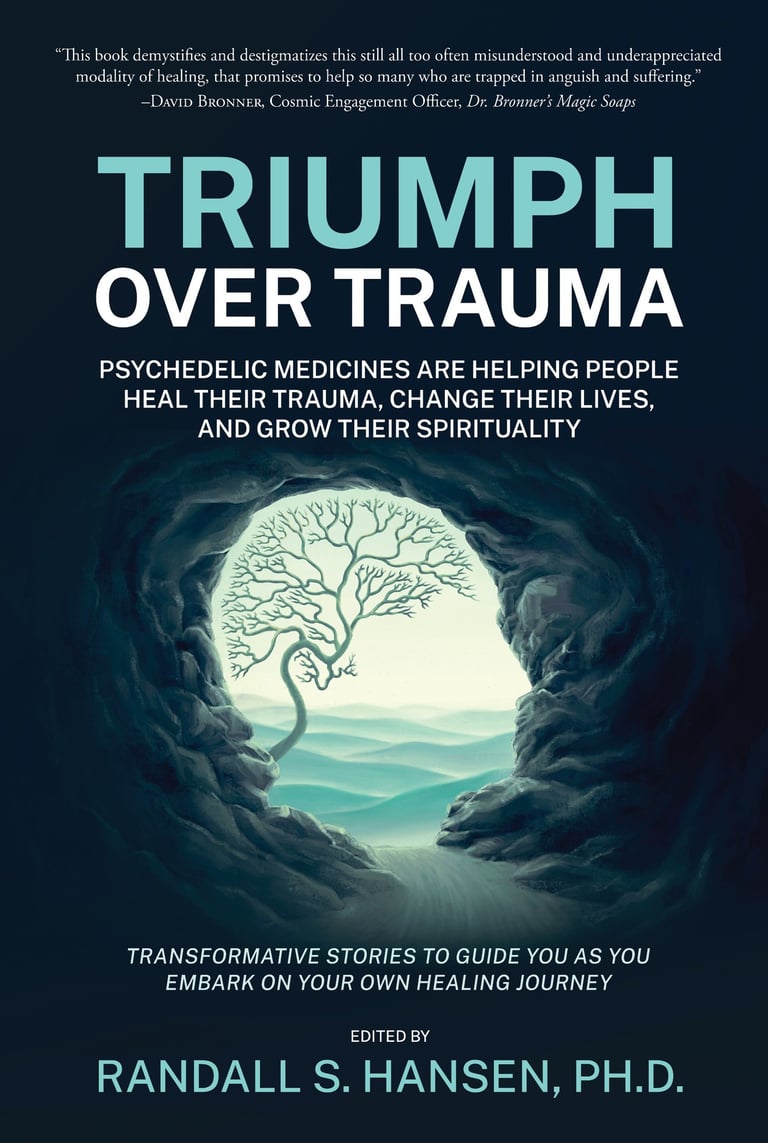
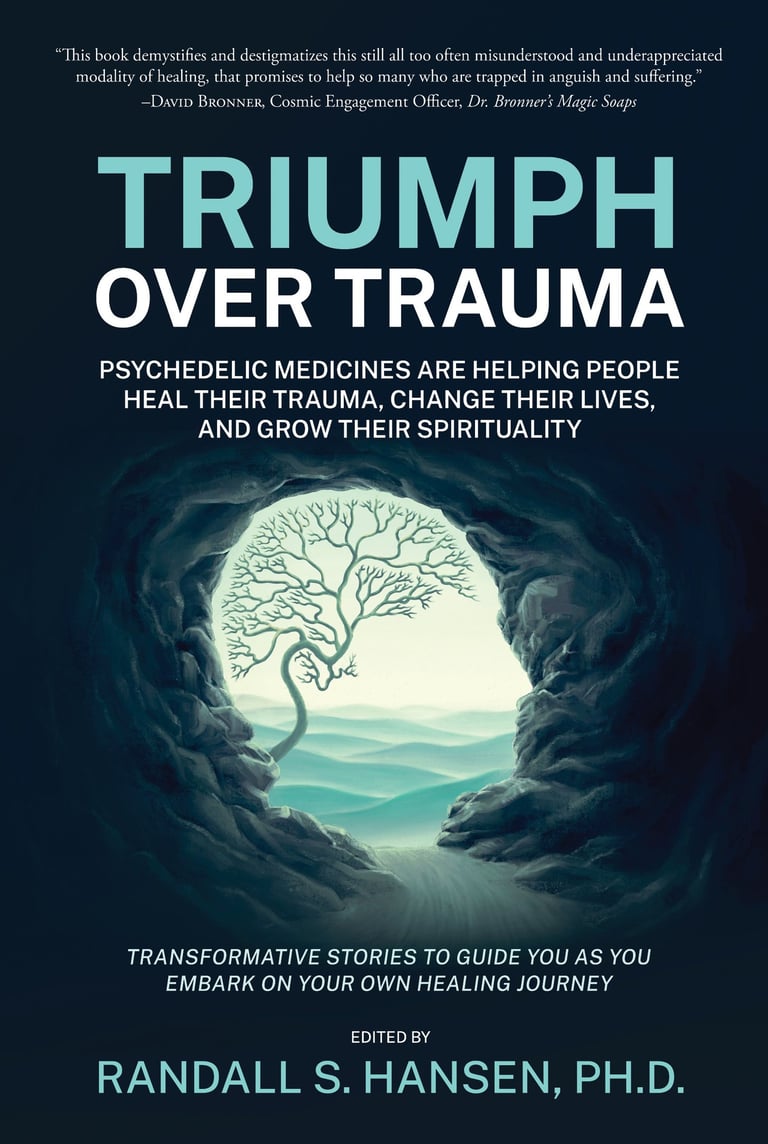
He is the author of the groundbreaking Triumph Over Trauma: Psychedelic Medicines are Helping People Heal Their Trauma, Change Their Lives, and Grow Their Spirituality and the well-received HEAL! Wholeistic Practices to Help Clear Your Trauma, Heal Yourself, and Live Your Best Life.
The third book in the Wholeistic Healing Trilogy is the game-changing The HEALing Revolution Diet: A Science-based Approach to Heal Your Gut, Reverse Chronic Illnesses, Lose Weight, Clear Your Mind, and Increase Longevity.
Dr. Hansen's focus and advocacy center around true health and healing journeys that results in being able to live an authentic life filled with peace, joy, love. Learn more by visiting his personal Website, RandallSHansen.com. You can also check out Dr. Randall Hansen on LinkedIn.


Expert advice on ways to make your life healthier, simpler, better, more fun!