
Are You Getting Enough Rest?


Rest is essential not only for avoiding burnout, stress, cognitive decline, and fatigue; it is also important for overall health. This article discusses eight essential types of rest.
For a big chunk of my life, partly because of past unhealed wounds, I was a workaholic who worked a full-time teaching job while building an online business and raising young children. And guess what? I wore busyness as a badge of honor for anyone to see.
Sleep? Maybe a few hours a night, often dozing off in my recliner while reviewing business opportunities or grading papers. But sleep was the least of my issues, because I was also not getting enough rest.
Rest? Many people think of sleep as rest, and that’s correct, but seven other types of rest exist that can easily be ignored – and I was ignoring them all while running on fumes for almost a decade.
Rest is critical for avoiding burnout, which can be defined as a state of physical, emotional, or mental exhaustion. It’s also important to help prevent cognitive decline and fatigue, as well as increase emotional stability and strong mental and physical health.
How are you doing with resting?
I can tell you I blew through all the warning signs of burnout and lack of rest and went right to flameout… deciding to quit my full-time job and concentrate on my online business to give me some much-needed rest.
You don’t have to be working two jobs; you don’t need to be working at all… if you are not getting enough rest, your life and health will suffer.
While most of us recognize the importance of sleep, few realize that exhaustion, burnout, and other health conditions can stem from many different deficits in our rest. You may be sleeping seven or eight hours a night and still feel depleted because other forms of rest are missing from your life.
Furthermore, for many people, especially those carrying unresolved trauma or chronic stress, rest can feel surprisingly uncomfortable. When the nervous system learns to stay in a constant state of vigilance, slowing down may trigger feelings of anxiety, guilt, or unease. If this sounds familiar, know that learning to rest can be part of the healing journey itself.
Understanding the different types of rest can help you identify what your body, mind, and spirit are truly asking for. So, can I ask you…
Are you feeling depleted right now?
When was the last time you felt truly rested?
Can you identify the type of rest you’re neglecting?
The remainder of this article looks at the eight types of rest we all need… not just to survive, but to truly thrive.
Eight Types of Rest Everyone Needs
Each of these eight categories of rest is vital for maintaining and enhancing our well-being – physical, mental, spiritual, and emotional.
Physical Rest: Recharging the Battery. This is the one we all think of when we think of rest – and it includes sleep, but also times of relaxation and napping – all to help our bodies repair and recover.
Other types of physical rest include anything we do to help our bodies relax and/or recover, such as gentle stretching, low-intensity movement, massage therapy, hot/cold therapies, warm baths, aromatherapy, leisurely swimming, or yoga.
Not getting enough physical rest has multiple dangers, including impaired cognitive function, weakened immune system, accelerated aging, chronic illnesses, mood swings and emotional instability, mental health issues, increased risk of injuries, hormonal imbalances, and weakened bone and muscle health.
Emotional Rest: Removing the Masks. This type of rest is when we spend time with our true selves, stripping away the masks we have created because of past circumstances and trauma. This rest allows us to sit with our authentic selves, release pent-up emotions, and have periods of emotional calmness.
Some ideas for emotional rest include performing self-compassion practices, achieving emotional release (journaling, crying, laughing, screaming), setting boundaries to protect emotional energy, taking a “mental health” day, and creating safe places (both physically and mentally) to integrate your feelings and emotions.
Not getting enough emotional rest often leads to confusion, anger, shame, and living an inauthentic life. Other outcomes include emotional exhaustion, increased irritability and conflict, difficulty concentrating, physical symptoms (such as headaches, muscle tension, fatigue), identity and self-worth issues, and potentially dangerous avoidance behaviors.
Mental Rest: Recharging the Brain. We need plenty of time for mental rest for clearer thinking and sharper focus; yes, we get it when we sleep, but we often need it during the day to help quiet our thoughts and avoid overthinking.
Mental rest is about creating short but intentional breaks throughout the day, such as resting your eyes, looking out a window, breathwork, stepping away from your work, and putting the screen down.
Not getting enough mental rest can lead to brain fog and poor concentration, increased stress and anxiety, reduced creativity and problem-solving abilities, emotional irritability, chronic stress and burnout, mental health disorders, reduced resilience, and a weakened immune system.
Sensory Rest: Calming the Inputs. Because we live in an over-stimulated and hyper-connected world, we have to give our nervous systems a break. This type of rest is essential for mental clarity, emotional balance, and overall well-being.
Some ideas for sensory rest include starting your morning with five minutes of silence (ideally outside), listening to calming music, taking digital detox periods where you go for a walk in nature, journal, play an instrument, practice breathwork, or meditation.
Not receiving enough sensory rest can lead to sensory overload and burnout, increased stress and anxiety, difficulty focusing, sleep disruptions, headaches, digestive issues, mental health conditions, sensory processing disorders, emotional numbness, cognitive decline, and a weakened immune system.
Spiritual Rest: Recharging the Soul. This is about making the time to connect with something greater than ourselves while finding meaning, purpose, and inner peace. This type of rest helps enhance our emotional resilience, encourage gratitude and contentment, reduce stress and anxiety, improve mental clarity and focus, foster a sense of purpose, and deepen self-awareness and personal growth.
Examples of spiritual rest: meditation and mindfulness, acts of kindness, prayer and contemplation, time in nature, journaling and reflection, and silence and solitude.
Not taking enough spiritual rest can result in emotional numbness or detachment, increased anxiety and existential dread, mostly only superficial relationships, loss of motivation and passion, mental health conditions, spiritual bypassing, escapism, and a weakened immune system.
Creative Rest: Reawakening Inspiration. This type of rest is about the intentional practice of replenishing our imaginations and artistic and creative energies by stepping away from work and allowing our minds to wander, daydream, and recharge. It’s about enhancing mental flexibility by giving our brains the space to play, explore, and refill their well of ideas.
Examples of creative rest: forest bathing or simply sitting on a park bench, engaging in play, trying new fun activities, daydreaming, journaling and reflection, and listening to music.
Not obtaining enough creative rest can result in mental fatigue and brain fog, emotional numbness, increased stress and anxiety, loss of motivation and passion, creative blocks and stagnation, chronic burnout, chronic health conditions, cognitive decline, and loss of identity.
Social Rest: Managing Healthy Relationships. This type of rest recharges the soul and reconnects us with ourselves and others; however, it looks different for everyone. Introverts may need more solitude to recharge, while extroverts often feel energized through meaningful social connection. The key is learning which relationships replenish your energy and which ones drain it.
Examples of social rest include taking times of complete solitude, selective socializing, setting clear boundaries and limits in relationships, creating distance from toxic and draining relationships, and digital detoxing.
Not obtaining enough social rest can lead to emotional exhaustion and burnout, loss of self-identity and authenticity, social isolation, emotional numbness, increased stress and anxiety, resentment in relationships (especially one-sided ones), people-pleasing, mental fatigue, mental health issues, stress, and physical ailments (fatigue, headaches, weakened immune system).
Playful Rest: Recharging the Inner Child. This type of rest is probably the most ignored and overlooked type of rest, and it involves the intentional practice of engaging in lighthearted, joyful activities that replenish the spirit, spark curiosity and creativity, and restore our sense of play and wonder. It’s active, fun, and usually social.
Examples of restful play include creative and expressive play (storytelling, creative writing, fun art), movement and body play (dancing, hula hooping, jump rope, playing tag, jumping on a trampoline), sensory and tactile play (blowing bubbles, baking, gardening), imaginative and pretend play (building a fort, creating a vision board, inventing a new game), nostalgic play (doing puzzles, playing a classic video game, ping pong, going to a playground), nature play (cloud-watching, puddle-jumping, rock collecting), and social and collaborative play (game nights, card games, scavenger hunts)
Not getting enough restful play can result in mental fatigue and brain fog, emotional numbness, increased stress and anxiety, loss of motivation and passion, mental health issues, cognitive decline, increased negative escapism, and stagnation in personal growth and development.
Final Thoughts About Our Need for Rest
By now, it should be clear that rest needs to be a big part of our wellness plan.
In a culture that glorifies busyness, choosing to rest can feel uncomfortable or even unproductive at times. Yet, rest is not a luxury. It is a biological, emotional, and spiritual necessity.
When we give ourselves permission to rest, we create the conditions for healing, growth, creativity, and joy.
The question is not whether you need rest. The question is: Which type of rest do you need most right now?
Resting offers a multitude of benefits while helping protect us from burnout, fatigue, exhaustion, and mental and physical health issues.
Rest is the foundation for having a fulfilling, love-filled, productive, creative, and joyful life. Without rest, everything else in life suffers.
Please make rest a priority.
Start with one area of rest you've been ignoring and build from there.
The question is not whether you need rest.
The question is: Which type of rest do you need most right now?
Additional Rest and Burnout Resources
Looking for more details about rest, burnout, workaholism? Check out some of these resources:
Dr. Randall Hansen is an evangelist, educator, and thought-leader... helping the world heal from past trauma and the poor food system. He is founder and CEO of EmpoweringSites.com, a network of empowering and transformative Websites, including EmpoweringAdvice.com.
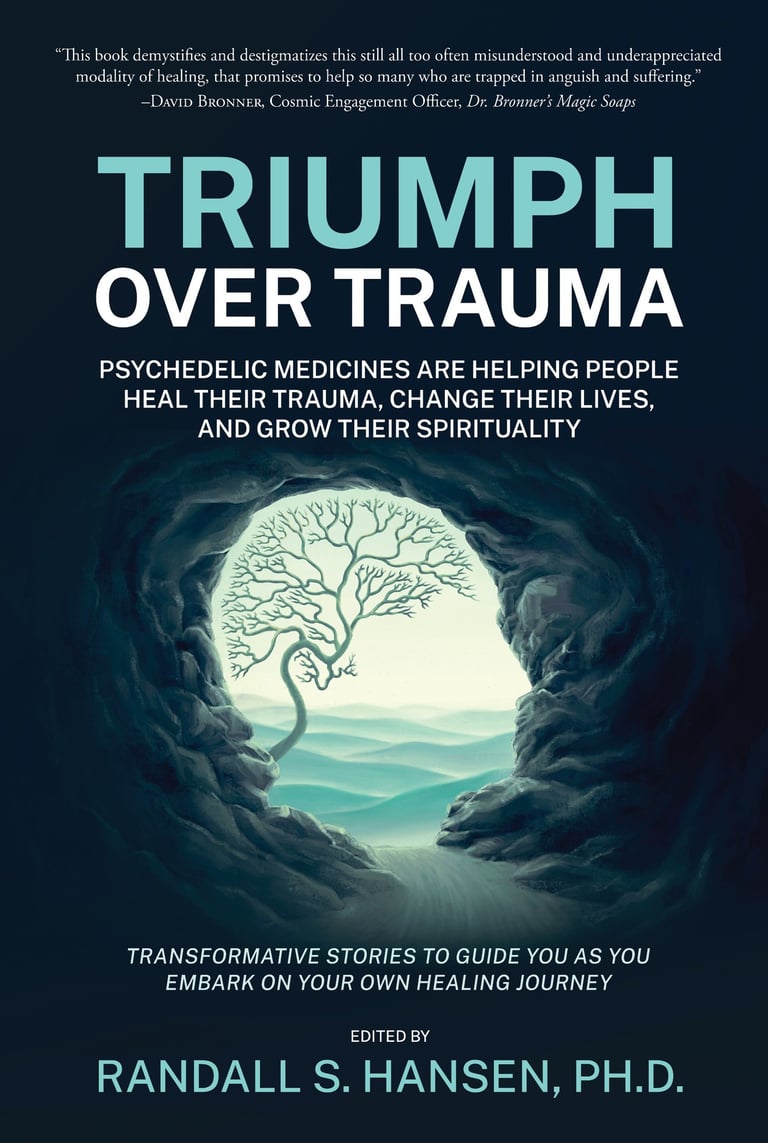
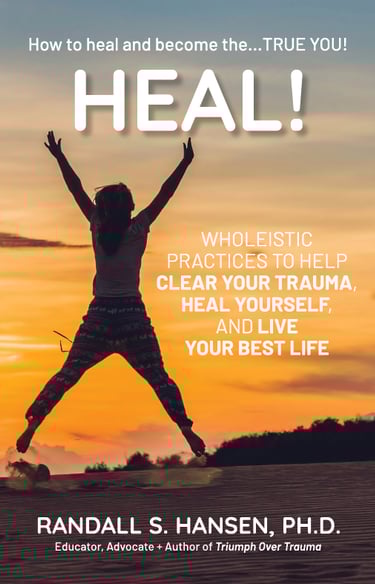
He is the author of the groundbreaking Triumph Over Trauma: Psychedelic Medicines are Helping People Heal Their Trauma, Change Their Lives, and Grow Their Spirituality and the well-received HEAL! Wholeistic Practices to Help Clear Your Trauma, Heal Yourself, and Live Your Best Life.
The third book in the Wholeistic Healing Trilogy is the game-changing The HEALing Revolution Diet: A Science-based Approach to Heal Your Gut, Reverse Chronic Illnesses, Lose Weight, Clear Your Mind, and Increase Longevity.
Dr. Hansen's focus and advocacy center around true health and healing journeys that results in being able to live an authentic life filled with peace, joy, love. Learn more by visiting his personal Website, RandallSHansen.com. You can also check out Dr. Randall Hansen on LinkedIn.
Expert advice on ways to make your life healthier, simpler, better, more fun!