
Seven Health Myths Negatively Affecting Your Life
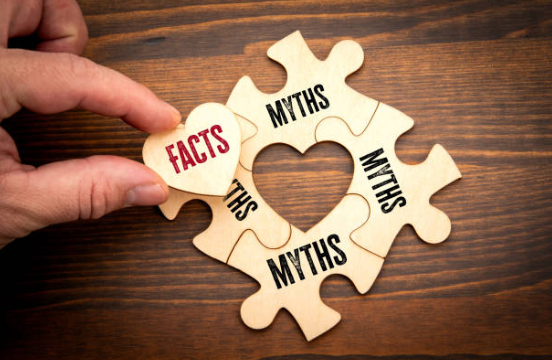
The food industry has propagated numerous nutrition myths that have negatively affected our food system and our health. This article covers seven of the worst myths.
About 70 years ago, a health scare in the White House led us down several incorrect paths regarding our understanding of food and health… and, amazingly, even though most of these myths have been overturned with new research and new understanding, many still are floating around in textbooks, articles, and social media.
My hope is that you’re savvy enough to have reviewed at least some of the current research, and thus, perhaps you only need a refresher on this important topic.
But don’t despair if you have not heard the latest research, because there is so much noise in the health, food, and nutrition space that it can be very confusing.
Doctors learn almost nothing about nutrition, and nutritionists learn nothing about metabolic health. Meanwhile, the food industry is happy to provide you with inferior and dangerous products simply in the name of profits.
Are we doomed? No. But please be aware that the news is clouded with ridiculous claims about the dangers of eggs or butter or the need to be plant-based or carnivore. Or the demonization of salt, cholesterol, and saturated fats.
What is the solution? Please follow real experts, not influencers.
The Seven Health & Nutrition Myths
1. Eating Eggs is Dangerous. In the big cholesterol scare of the 1980s, eggs were demonized – including a cover story in Time Magazine. The belief, dating back to faulty research from the 1960s, was that dietary cholesterol contributed to high blood cholesterol levels. But eggs have been redeemed, and for the last 20 years, research has repeatedly shown that at normal intake, dietary cholesterol has very little influence on a person’s blood cholesterol levels. (And our views on cholesterol have also changed dramatically.)
Today, after decades of people getting their blood cholesterol levels checked, improved markers are being developed for detecting cardiovascular issues that may lead to heart attacks. Eggs are a superfood. That said, do not buy eggs from conventional egg mills; instead, buy organic eggs in the supermarket – or even better, find a local source for farm-fresh eggs from free-ranging chickens.
Fun Fact: High-quality eggs (farm-fresh or organic) are now often referred to as “nature’s multivitamin” because they contain unique antioxidants and brain nutrients not found in other foods, and which are critical to health.
2. Red Meats Are Unhealthy. Meats, especially beef, have been demonized on numerous levels, from the so-called unhealthy fat and cholesterol, to animal cruelty, to the demise of the planet. With this myth, there is some truth; if the statement were that all conventionally raised meats are unhealthy, that would be accurate.
Conventionally-raised meats follow an industrial model of production that leads to overcrowded buildings and feedlots, where the animals are fattened up with unnatural and unhealthy GMO feed and doused in antibiotics. Most of these animals are metabolically sick when slaughtered, so consumers can have plumper chicken breasts and marbled steaks – both signs of obesity in the animals.
Animals raised on pastures, especially on regenerative farms that focus on soil and animal health, are healthier and leaner, and because they are only eating their traditional feed, are some of the best protein sources.
3. Refined Sugar is Fine in Moderation. Like many, I try to live much of my life in the middle – in moderation – but not with refined sugar. More than 20 years ago, a health researcher wrote that “sugar is the great evil to enter the U.S. household.” I quit refined sugars and immediately lost weight, had fewer mood swings, healthier teeth, and gained mental clarity.
Today, we know even more about the dangers of sugar than we did back then. We now know that sugar is an addictive drug, affecting the same reward center in the brain as cocaine. But that’s not the worst of it. Sugar is the linchpin to falling down the path of chronic diseases, as our bodies have no use for an element in all sugars – fructose – and excess consumption leads to non-alcoholic fatty liver disease, insulin resistance, and a host of chronic illnesses.
Excess sugar also affects our gut microbiome, allowing yeast overgrowth and a breakdown in our intestinal lining, leading to a condition called Leaky Gut, which then leads to chronic inflammation, another key indicator of future chronic health issues.
Only consume sugar in whole foods, such as fruits, where the fiber in the food counterbalances the sugar. And, no, fruit juices are not healthy; they contain as much sugar as a regular soda.
4. Avoid Fats to Lose Weight, Be Healthier. Of all elements related to food, fat has been the most misunderstood. Some people still believe that eating fat makes you fat. Wrong; excessive consumption of refined sugars and carbs make us fat.
Furthermore, eating healthy fats (such as grassfed butter, coconut oil, olive oil, avocado oil, etc.) does not cause heart disease, but do avoid unhealthy fats (such as margarines and “vegetable” seed oils).
Beneficial fat is a key macronutrient our bodies need. The fat from pastured, grassfed animals is some of the healthiest and best fat to eat. Sadly, we replaced healthy animal fats with toxic “vegetable” fats in the form of margarine and industrially-produced seed oils, manufactured from corn, soy, rapeseed, cotton, safflower, and sunflower seeds.
The other big issue here is that we have upset our traditional balance of fatty acids, consuming an extremely high amount of Omega-6 fatty acids, which are inflammatory, compared to Omega-3 fatty acids, which are body-healthy.
5. Low-Fat or Fat-Free Products Are Healthier Options. Because of the lie of fat making people fat, food marketers and nutrition experts jumped on the idea of promoting low-fat and fat-free products as the healthiest choices.
The problem is that many low-fat and no-fat foods often contain added sugars, salt, seed oils or trans fats, and artificial ingredients to compensate for the removed fat, potentially leading to health issues such as poor brain function, compromised heart health, hormonal imbalances, and weight management problems.
Please stop buying low-fat yogurt, low-fat salad dressings, low-fat peanut butter, low-fat cheeses, low-fat spreads, and low-fat drinks.
The same recommendation for buying meats; there is no need to only buy “lean” cuts of meat, especially if buying all grassfed meats, which are always naturally lean compared to feedlot meats that are pumped with inferior and unnatural feeds that bulk them up for sale.
6. Breakfast is the Most Important Meal of the Day. Can you guess who started this mantra that is still being repeated by parents to their children to this day? General Foods, in an attempt to sell more of its Grape Nuts cereal, launched a marketing campaign with the classic and fictional line: “Nutrition experts say breakfast is the most important meal of the day.”
This represents one of the biggest problems in the diet and nutrition space: the role of money, marketing, and influence in setting the dietary guidelines and food recommendations. Of the thousands of food brands, the vast majority – including organic brands – are owned by about 10 companies, and these companies spend millions upon millions of dollars on influencing both government and health organizations. Breakfast is just a meal, and many people who practice intermittent fasting often skip breakfast, breaking the fast with lunch.
If you do eat breakfast, please make sure it is not loaded with refined sugars and carbs, which means breakfast should not include cereals, oatmeal, toast, bagels/rolls, donuts, muffins, waffles/pancakes, pastries, hashbrowns, or any sweetened yogurts, Pop-Tarts, or power/energy bars, etc. Eat eggs, meats, cheeses, unsweetened/unflavored Greek yogurt or cottage cheese.
7. Exercise Can Fix an Unhealthy Diet. I hear this myth all the time from fitness bros who are so focused on life in the gym that they have no understanding of nutrition and the power of food to be our medicine – or our poison.
A study published in the British Journal of Sports Medicine found that high levels of physical activity do not counteract the detrimental effects of a poor diet on mortality risk.
Don’t get this information wrong. Exercise of all types, done throughout every day, is an essential part of a health journey, but it comes second to getting your diet correct.
The maximum health benefit is eating a diet of real foods, prepared at home, that fuel your body and brain, combined with a movement mindset of exercising, including walks after every meal.
Final Thoughts About Health Myths
My goal with all this information is simply to provide you with the latest information about foods, nutrition, and metabolic health.
We must stay vigilant with the food industry’s lies – and where they lie most often is the front of the package. Remember to ignore the front and turn directly to the ingredients list – and avoid most foods that have added sugars, seed oils, and chemicals for flavor, texture, color, and more.
A few other food myths to watch out for:
· Salt is not the enemy, especially if you are using a high-quality, natural salt. Our bodies normally eliminate any excess salt – unless we are also consuming too much sugar.
Snacking throughout the day is not a good strategy. Our guts need time to rest and our blood sugar needs time to stabilize. Try to focus on two solid meals each day that are filling enough that you don’t need to graze on unhealthy (or even healthy) snacks throughout the day.
Protein has become overly trendy, and food marketers are putting cheap types of protein in all sorts of unhealthy foods like breakfast foods, pasta, and soups. Yuck. Eating enough healthy protein is essential, especially as we age and start losing muscle and bone density, but get the protein from real foods, not ultra-processed crap.
Finally, if you want to stay current on nutrition and health research, I am regularly updating this page of my website: Current Wellness Research Sources
Related Articles from Dr. Randall
Dr. Randall Hansen is an evangelist, educator, and thought-leader... helping the world heal from past trauma and the poor food system. He is founder and CEO of EmpoweringSites.com, a network of empowering and transformative Websites, including EmpoweringAdvice.com.
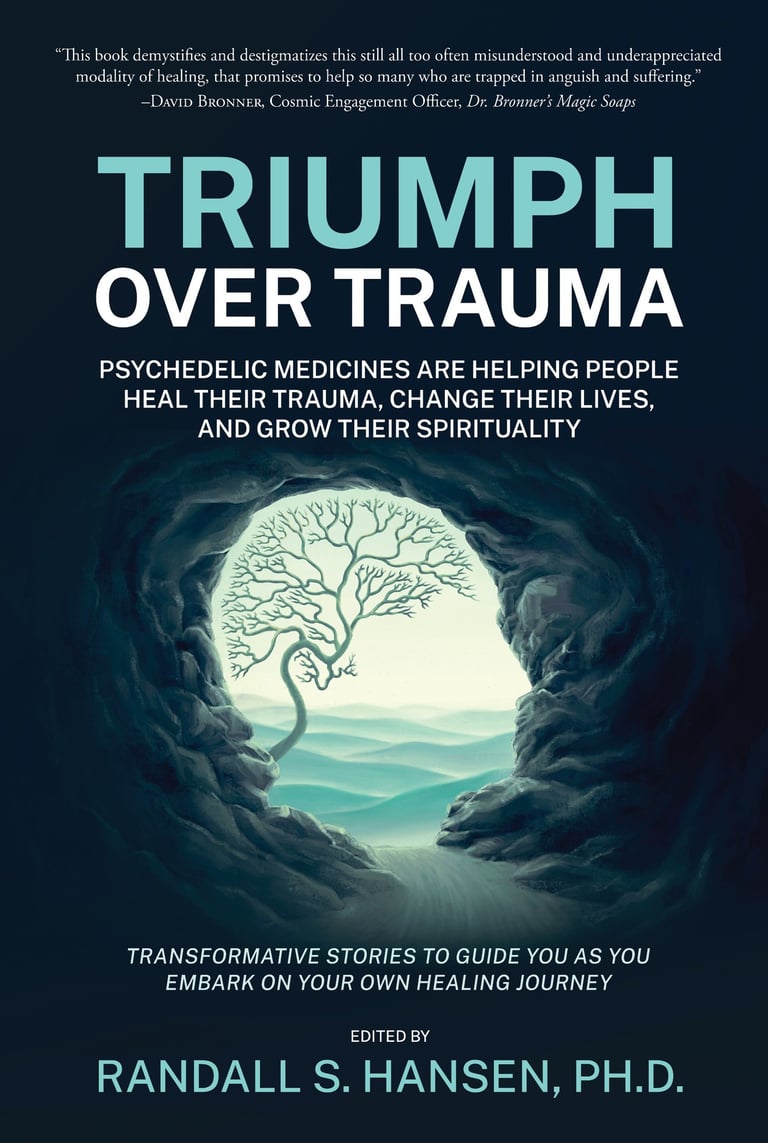
He is the author of the groundbreaking Triumph Over Trauma: Psychedelic Medicines are Helping People Heal Their Trauma, Change Their Lives, and Grow Their Spirituality and the well-received HEAL! Wholeistic Practices to Help Clear Your Trauma, Heal Yourself, and Live Your Best Life.
The third book in the Wholeistic Healing Trilogy is the game-changing The HEALing Revolution Diet: A Science-based Approach to Heal Your Gut, Reverse Chronic Illnesses, Lose Weight, Clear Your Mind, and Increase Longevity.
Dr. Hansen's focus and advocacy center around true health and healing journeys that results in being able to live an authentic life filled with peace, joy, love. Learn more by visiting his personal Website, RandallSHansen.com. You can also check out Dr. Randall Hansen on LinkedIn.


Expert advice on ways to make your life healthier, simpler, better, more fun!