
Have We Gotten It All Wrong About Happiness?

Happiness: the state of being happy; it is short-term satisfaction from positive life experiences, such as achieving goals. Contentment is characterized by a sense of well-being.
Happiness never lasts, not when it is dependent upon outside forces and people. Most of us may be chasing the wrong thing. Happiness can bring us immense joy, but not only is it fleeting, our expectations for happiness can also lead to unhappiness.
How much have you invested in your happiness? Especially in Western cultures, we place a lot of emphasis on happiness and finding it.
We buy books that promise happiness, such as How to Find Happiness, How to Find Lasting Happiness, Liberating Happiness, Steps to Finding Inner Peace and Happiness, How to Find Happiness Again, and Scale Up Happiness.
We have websites that rank the happiest towns, states, and countries. We have annual surveys attempting to measure happiness.
We go on happiness retreats, with or without our partners. We write in gratitude journals or keep “happiness jars” into which we put slips of paper of our happiest moments. We focus on intentionally having a positive mindset. We practice self-care activities.
Do you have those days where everything seems to click and you should be happy and celebrating, but instead you have a nagging sense of things not being good enough? Or, you have a moment of joy, only to see it disintegrate when you get stuck in a traffic jam or your partner isn’t as excited for you as you expected them to be.
Happiness and joy are fantastic and powerful emotions, but they are typically fleeting. And chasing happiness often results in the opposite – frustration and anger – by diverting attention and energy away from meaningful activities, creating feelings of pressure and scarcity, resulting in examining what we lack rather than what we have, and potentially decreasing overall well-being and sometimes blocking us from achieving real goals.
Part of the problem arises from how we define success. When we focus on external elements, such as a high-paying job, a new car, or earning a million dollars, we are setting ourselves up for failure. When we define success as freedom, peace of mind, or feeling healthy and strong, it lights the path for contentment.
Happiness is not a bad thing, but it is unsustainable. The problem is happiness can be like vapor; here for a flash, but easily dissipated… making us want more and more – and never being satisfied.
Seeking and Building Contentment
I realized years ago that happiness was the wrong pursuit. Instead, I decided to focus on contentment, that warm, fuzzy feeling of being satisfied with current circumstances
Happiness is a transient, high-arousal emotion tied to specific moments of our lives, while contentment is a subtle, stable, low-arousal positive emotion that is characterized by a sense of well-being, calmness, sufficiency, and acceptance.
Contentment is all about feeling that things are good exactly as they are, right now. There is no need to chase contentment because it comes from within. Contentment is long-lasting and gives us deep feelings of fulfillment and satisfaction.
In some cultures, contentment is referred to as chokkshay, which is a very deep and spiritual word that means “the knowledge of enough.”
And guess what? Contentment is a critical tool for well-being… for wellness. For living your best life. Contentment is the knowledge of enoughness; that the life you are living is plentiful, sufficient, enough.
Seeking contentment is seeking well-being over spikes of joy and euphoria that come from happiness.
Here are some tools for building contentment in your life:
1. Start a Healing Journey. Oftentimes, our desire for peak emotions like happiness is a trauma response from past unprocessed wounds. As we heal, we realize that the best life is sitting in the steady lane of contentment, with occasional bursts of unbridled joy.
2. Focus on Yourself. When we place our happiness on other people or things, we are often disappointed. But when we focus on ourselves, on going within, on loving ourselves, we obtain deep contentment from the depths of our soul.
3. Forgive and Let Go. Forgiveness is a part of every healing journey, but its impact on contentment makes it worth noting separately here. Release all bad feelings and grudges, starting with forgiving yourself, but also forgiving those who wounded you.
4. Change Your Perspective. During my childhood, one of the biggest causes of friction in my house revolved around money, so as an adult, money became a primary factor driving my emotional state. When I flipped the perspective to see money as a tool rather than the goal, I found contentment.
5. Daily Reflection/Meditation/Prayer. Nothing grounds us more than taking time during the day to reflect on our lives, partake in a meditation practice, and/or go deeply into communion with God. These activities help us shift focus from external circumstances to one of gratitude.
6. Intentional Living. Focusing and aligning our core values and beliefs helps us with contentment by clarifying what truly matters, enabling us to focus on meaningful choices and savor daily experiences, all of which boost satisfaction and reduce frustration. Adding a gratitude practice as part of intentional living cements these values.
7. Serving Mindset. One of the most profound changes is when you can switch from a “getting” mindset to a “serving” mindset. A mindset that is focused on me and what I can get out of any situation is one that is filled with large highs and lows. When we focus on a serving mindset, we find so much peace, joy, and fulfillment that comes from loving and serving others rather than pursuing self-centered success.
8. Simplify Your Life. Many of us live a life that is full of things, people, and commitments. In fact, reducing clutter, reducing the to-do list, and avoiding overcommitments helps lower stress, clarify priorities, and frees up time so you can commit to mindful practices and meaningful connections, leading to greater calm, focus, and a sense of contentment.
9. End Comparisons With Others. Nothing spoils happiness faster than reading a social media post showcasing a friend’s “perfect” life or hearing that a competitor or coworker received a big bonus or promotion. This doesn’t mean you need to quit all social media or stop listening to other people’s successes, but it does mean that contentment comes from within – appreciating what you have, embracing your authentic self, and pursuing your own definition of success.
10. Ride the Wave of All Emotions. When we allow ourselves to observe and feel all our emotions without suppressing or overreacting, letting them pass naturally, and reducing inner tension, we build resilience, regulate the nervous system, and build psychological strength and well-being.
Final Thoughts: Happiness Vs. Contentment
Happiness is often fleeting… there one moment and gone the next. Other times, it seems like happiness is elusive, somewhere just beyond our grasp. Other times, we have completely missed the mark on what we think happiness means because we are following the culture’s definition (such as success, status, possessions, perfection, wealth).
Contentment, on the other hand, is grounded in the now and focused on internal fulfillment.
Finally, research into the topic of contentment found that content people felt less “activated” (meaning, calmer rather than excited), were more present-tense-oriented, and had less desire to acquire things, in comparison to people feeling other emotions. The researchers conclude: “… contentment can sometimes bring surprisingly large benefits to our well-being. We should all be trying to cultivate it.”
Happiness & Contentment Additional Reading
The Happiness Paradox - Why You Should Stop Chasing Happiness
6 Ways to Cultivate Contentment: The Best-kept Secret for Well-being, Productivity, and Resilience
Cultivating Contentment: Moving Beyond Social Comparison for a Happier Life
Comparison: The Subtle Thief of Happiness and How to Reclaim Your Joy
Happiness vs Contentment: Key Differences and Why Both Matter
Dr. Randall Hansen is an evangelist, educator, and thought-leader... helping the world heal from past trauma and the poor food system. He is founder and CEO of EmpoweringSites.com, a network of empowering and transformative Websites, including EmpoweringAdvice.com.
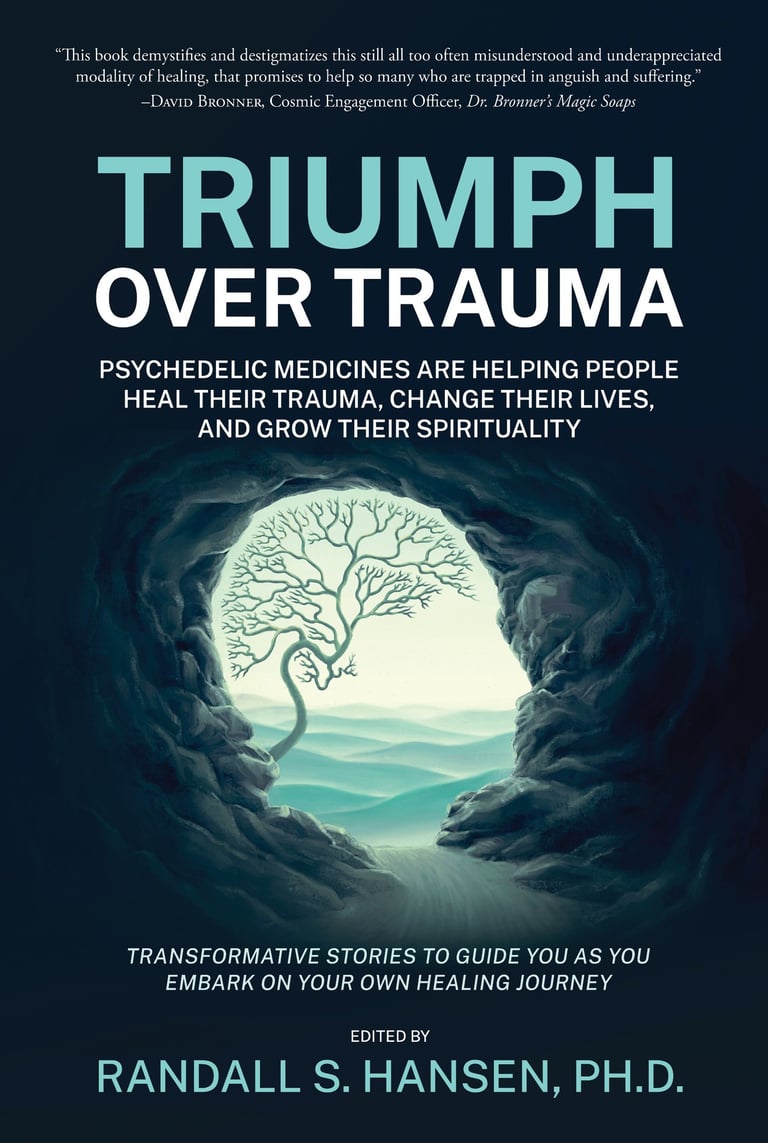
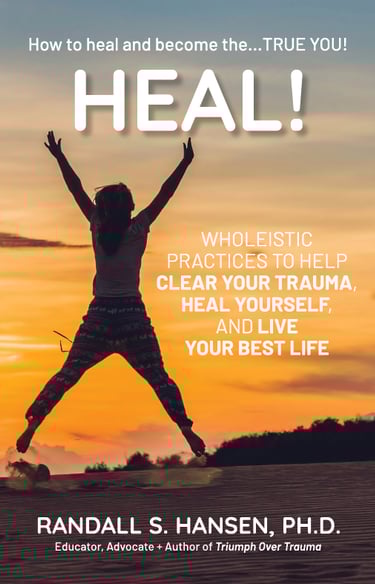
He is the author of the groundbreaking Triumph Over Trauma: Psychedelic Medicines are Helping People Heal Their Trauma, Change Their Lives, and Grow Their Spirituality and the well-received HEAL! Wholeistic Practices to Help Clear Your Trauma, Heal Yourself, and Live Your Best Life.
The third book in the Wholeistic Healing Trilogy is the game-changing The HEALing Revolution Diet: A Science-based Approach to Heal Your Gut, Reverse Chronic Illnesses, Lose Weight, Clear Your Mind, and Increase Longevity.
Dr. Hansen's focus and advocacy center around true health and healing journeys that results in being able to live an authentic life filled with peace, joy, love. Learn more by visiting his personal Website, RandallSHansen.com. You can also check out Dr. Randall Hansen on LinkedIn.

Expert advice on ways to make your life healthier, simpler, better, more fun!