
Empowering Reading: Reclaiming Silence Book Review
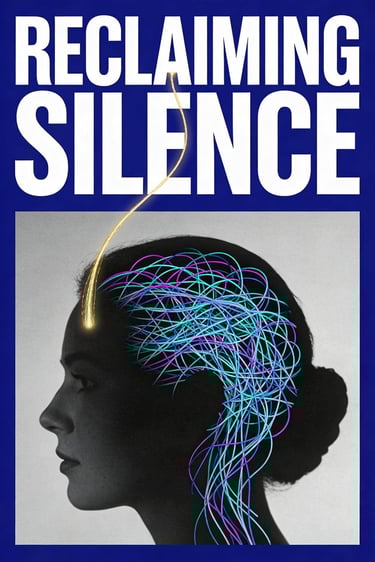
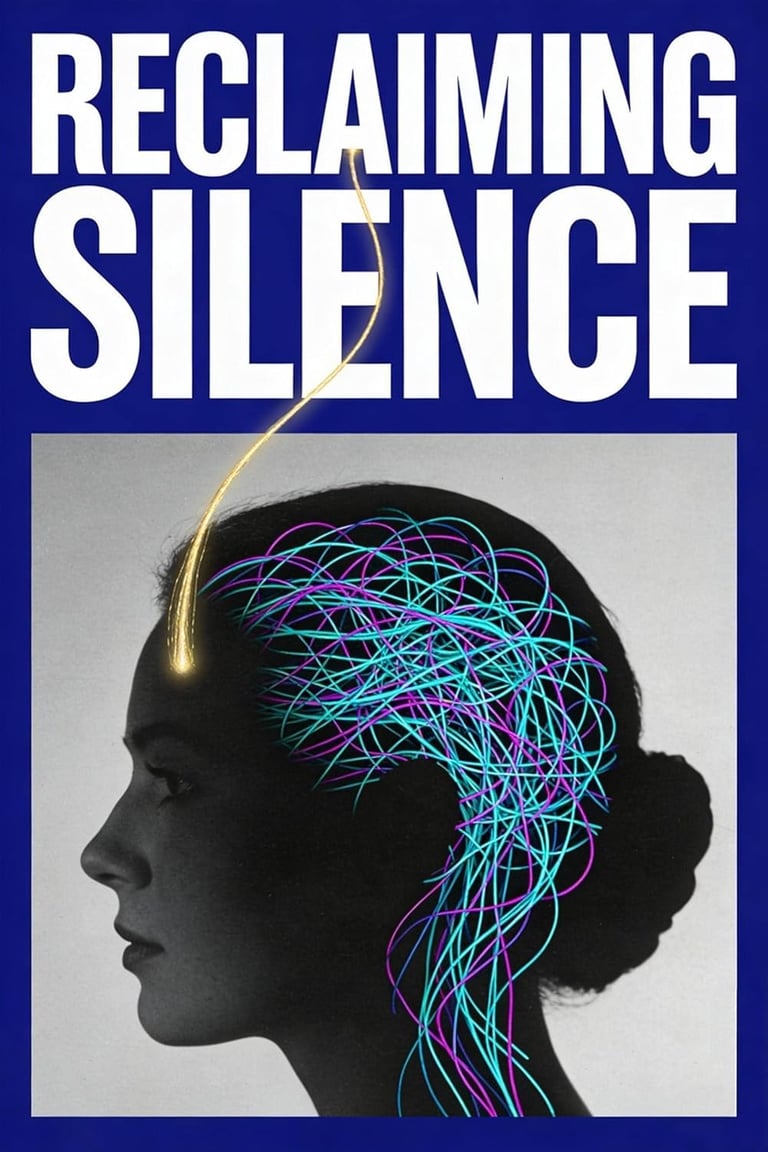
Reclaiming Silence: Master Your Attention, Defeat Digital Burnout, and Build a Focused Life in the Age of Noise, by Ronan D. 2026. ISBN: 979-8243435574
Has your device (devices?) taken over your life? Do you find yourself reaching for your phone the second you are bored or between tasks? This book is the perfect antidote.
Warning: Be prepared to be triggered, to want to fight back at what the author is suggesting, to grab your phone to distract you… but please keep reading.
A few months back my heart sank, when during an impromptu discussion about social media with a group of college students, most of them bemoaned the invention of social media and reported being saddened and frustrated by the many hours they spend “doom scrolling” on their devices, every waking moment of their lives – except when they are forced to focus, such as being in class.
We think our smartphones and devices have made us more efficient in all areas of our lives, but in reality, they are tools of convenience that mostly control us – until we stop them. The author refers to our phones and devices as “adult pacifiers,” numbing agents that keep us from true happiness.
If you find yourself easily distracted, short on patience, disconnected from others, feeling anxious about the information overload, and too connected to your phone or digital device, you may be suffering from what the author describes as living in the Attention Economy, which has been designed by the smartest engineers in the world to harvest your focus for profit.
“Our attention is fractured,” speaks volumes to me – and I hope it speaks volumes to you as well. The author adds that we are all living in “The Age of Distraction.” He adds, “Your attention is the most valuable resource you possess.”
And that badge of honor you wear for being so engaged and so busy is a false honor. In fact, the author states that busyness is the enemy of insight. And your concept of being brilliant because you multitask working and checking notifications? Wrong again, as the human brain is incapable; what it does is something called task-switching.
Reclaiming Silence
Through four parts and 12 chapters, the author takes readers on a journey from explaining how enormous an issue we face with products (email, social media, videos, news headlines, etc.) designed to not only distract us from engaging in life, but keep us occupied for as long as they can… to how to detox from our impossible urge to check our devices for notifications, and then how to re-establish a healthy relationship with our devices.
This book is the perfect companion to Dopamine Nation, which discusses how we have overwhelmed ourselves with artificial sources of pleasure. (Read my review here.)
And we are most definitely addicted to those dopamine hits… the emails, the likes, the comments, and the like. But dopamine is NOT as much about pleasure, says the author, but an engine of craving (reward-seeking) which keeps us seeking and seeking, even when the reward is no longer pleasurable. Addicts understand this phenomenon of chasing that first high, but are never again able to achieve that level.
One section of the book is a detailed overview of the ins and outs of a complete digital detox, starting with a contract you make with yourself to go cold turkey for 30 days. The detox is the same for any addict… no relying on willpower because it won’t work, and instead a complete removal of all apps on your devices, including your desktop/laptop.
This detox may be one of the toughest – as well as one of the most powerful – things you can do for your health, both mentally and physically. Expect heavy withdrawal symptoms and cravings for those notifications.
Rebuilding a New and Free Life
My absolute favorite part of the book is the discussion of rebuilding your life once you have cleared the detox.
Your new life begins with a sacred view of the first 60 minutes (ideally) of each morning in what the author refers to as an information fast. During this precious time, here are the rules:
The goal is peace, calmness, and quiet of mind.
Before anything else, drink a glass of water. (Then your coffee or tea.)
Move after waking, such as a short walk or yoga.
Step outside to experience the morning sky for 5-10 minutes; longer on cloudy days.
Consider meditating or morning prayers.
No to emails, Slack messages, social media, news, or podcasts
Yes to reading spiritual texts, poetry, literature, etc.
Use this time to power up your creativity for the day.
Once you have conquered your device dependency, the author wants us to go even deeper, partly citing the growing influence of artificial intelligence: “…the economy is dividing. Shallow Work (logistics, email, meetings) is being commoditized and automated. Deep Work (high-level thinking, creating, learning) is becoming the only currency of value.”
He talks about the neuroscience behind being in a “flow” state, discussing how thinking that requires intense focus releases a high-performance cocktail of chemicals that makes work not only productive but joyful, including: norepinephrine, dopamine, endorphins, anandamide, and serotonin. But we must train ourselves to do this deep work – and he covers this training in the book.
There is a whole chapter on the importance and value of real rest. “If it involves a screen, it is not rest. It is entertainment.” Stop thinking of rest as "slacking off." Start thinking of rest as "Preventative Maintenance." Other chapters include: master your environment (Ch 5), your morning (Ch 6), your work (Ch 7), your rest (Ch 8), your relationships (Ch 9), and your information.
The final chapter admonishes readers to move from being a short-term thinker (“the dopamine addict”) to being a long-term (delayed gratification) thinker (“the serotonin architect”). The author states: “If you choose the easy dopamine hit now (the phone, the couch, the sugar), your life becomes hard later (poor health, poor finances, poor focus). If you choose the hard discipline now (the gym, the book, the investment), your life becomes easy later,” adding, the ability “to delay gratification is the ultimate predictor of a well-lived life.”
The author states that we live in a pleasure economy that is not focused on happiness, though people often mistake temporary pleasure for happiness… only to discover that they never seem to reach a state of true happiness. (Another book worth adding to your reading if you are curious about how pleasure has been co-opted is The Pleasure Trap: Mastering the Hidden Force That Undermines Health & Happiness.)
Instead of dopamine, we should be seeking serotonin. “Serotonin is the neurotransmitter of happiness, contentment, and well-being. It is the engine of satisfaction.” Sadly, “Chronic, high-level dopamine production actively suppresses serotonin.” When we focus on that next hit/high, we lose the ability to feel the glow of contentment. But seeking happiness is also a trap, according to the book, when what we should be seeking is meaning/purpose, which results in contentment.
Final Thoughts About Reclaiming Silence
If what you read is not enough of a wakeup call, the author notes the increase in something called “digital dementia.” This theory, developed by German neuroscientist Manfred Spitzer in 2012, posits that overuse of technology negatively impacts cognition. And with the exponential growth in social media, and now with artificial intelligence, this issue becomes critical. Several studies now show a connection between extended screen time and cognitive changes.
If you feel overly attached to your digital device, I strongly urge you to consider reading this book – and improving your life.
Last words from the author: “This book is not a magic pill. It is a manual for a lifestyle that goes against the grain of the entire global economy. The economy wants you distracted, impulsive, and dissatisfied. It wants you to feel a void so you will buy something to fill it. It wants you to click, scroll, and watch.”
Find more book reviews and advice for living a happy, healthy, and healing life here.
Dr. Randall Hansen is an evangelist, educator, and thought-leader... helping the world heal from past trauma and the poor food system. He is founder and CEO of EmpoweringSites.com, a network of empowering and transformative Websites, including EmpoweringAdvice.com.
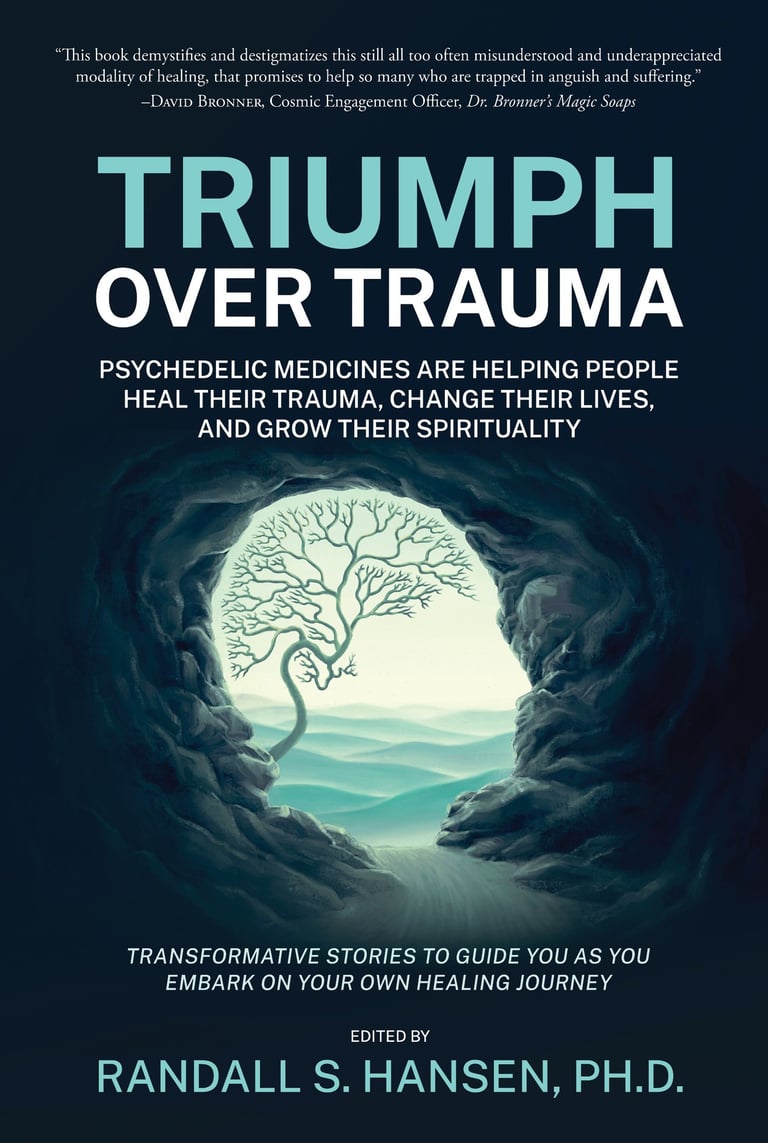
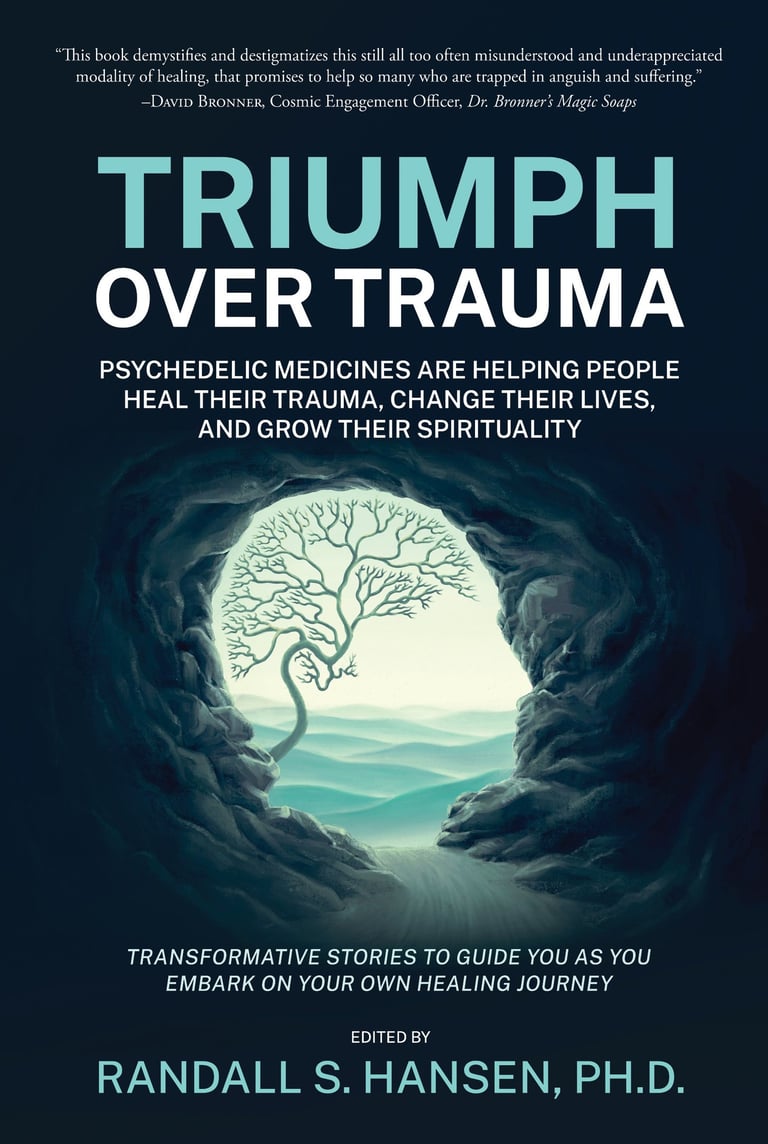
He is the author of the groundbreaking Triumph Over Trauma: Psychedelic Medicines are Helping People Heal Their Trauma, Change Their Lives, and Grow Their Spirituality and the well-received HEAL! Wholeistic Practices to Help Clear Your Trauma, Heal Yourself, and Live Your Best Life.
The third book in the Wholeistic Healing Trilogy is the game-changing The HEALing Revolution Diet: A Science-based Approach to Heal Your Gut, Reverse Chronic Illnesses, Lose Weight, Clear Your Mind, and Increase Longevity.
Dr. Hansen's focus and advocacy center around true health and healing journeys that results in being able to live an authentic life filled with peace, joy, love. Learn more by visiting his personal Website, RandallSHansen.com. You can also check out Dr. Randall Hansen on LinkedIn.


Expert advice on ways to make your life healthier, simpler, better, more fun!